Introduction
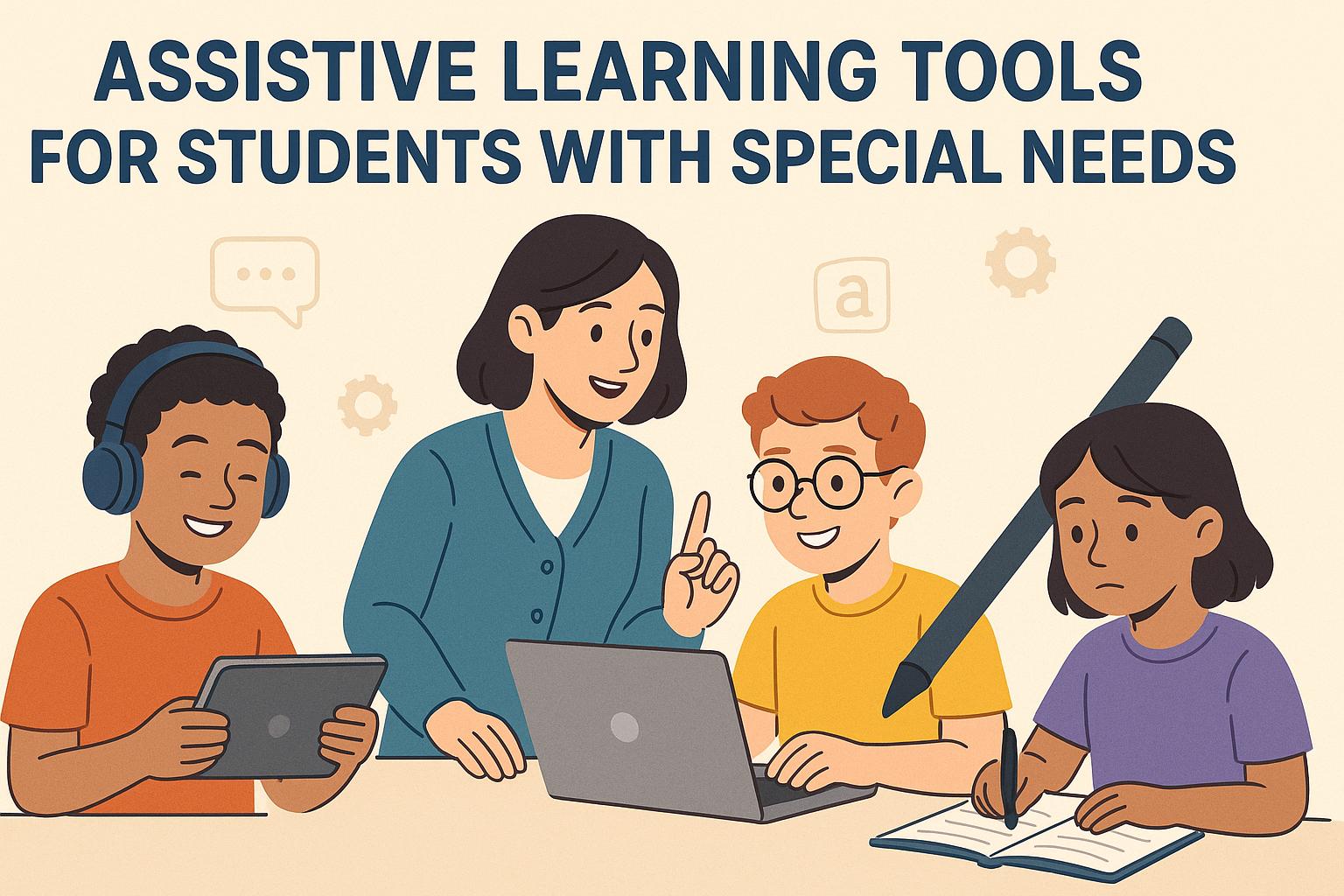
In recent years, technology has played a transformative role in education, particularly in providing inclusive learning opportunities for students with special needs. Assistive learning tools are designed to support the diverse needs of these students, ensuring that they can participate effectively in educational activities. This article explores some key assistive learning tools and their benefits.
Text-to-Speech Technology
Text-to-speech (TTS) technology converts written text into spoken words, offering significant assistance to students with reading disabilities, visual impairments, or learning disabilities such as dyslexia. This technology enables students to listen to text from books, webpages, and other resources, thus enhancing comprehension and retention. By presenting text audibly, TTS supports those who struggle with traditional reading methods, enabling them to understand complex material without the barrier of decoding written words. Students can access a wide range of content, from academic coursework to leisure reading, making learning more engaging and less stressful.
Speech-to-Text Software
Speech-to-text software, also known as dictation software, functions by converting spoken words into written text. This tool is particularly beneficial for students with physical disabilities that impair writing ability, or for those with conditions like dysgraphia that affect handwriting. By using voice commands, students can effectively communicate and complete written assignments, turning thoughts and spoken ideas directly into digital text. This software level the playing field, giving students with motor skill challenges the same opportunities for expression and academic participation as their peers.
Screen Readers
Screen readers are essential tools for students with visual impairments, offering auditory feedback by reading digital text aloud. They allow students to access information on computers and smart devices, providing vital independence in learning and daily tasks. Popular screen reader software includes JAWS and NVDA, known for their cross-platform compatibility and extensive feature sets, which include navigational aids, customizable settings, and support for various braille displays. Screen readers are continually updated to reflect changes in digital technology and accessibility standards, ensuring students remain engaged and informed.
Closed Captioning and Transcription Services
Closed captioning offers real-time text displays of spoken words in videos, proving invaluable for students with hearing impairments. By providing visual access to audio information, captions facilitate better understanding and engagement with multimedia content. Additionally, transcription services convert audio content into text, enabling all students to review and comprehend podcasts and lectures at their own pace. These services ensure that important educational content remains accessible to a broader audience, reinforcing key learning objectives for students with diverse needs.
Personalized Learning Platforms
Adaptive learning platforms utilize algorithms to tailor educational content according to individual student needs, identifying strengths and weaknesses to allow for a personalized learning path. Such platforms are highly beneficial for students who require modified instruction to thrive. They adjust difficulty levels and content based on student performance, which promotes mastery over subject matter. Personalized feedback from these platforms helps students focus their efforts where needed, encouraging independent learning and self-improvement.
Augmentative and Alternative Communication Devices
For students with speech and language disorders, Augmentative and Alternative Communication (AAC) devices provide a crucial means to communicate. These can range from simple picture boards to advanced electronic devices that generate speech. AAC devices support language development and facilitate better social interaction by enabling students to express thoughts, needs, and ideas clearly and effectively. Mastery of these devices empowers students to participate fully in classroom discussions and social activities, fostering greater inclusion and collaboration.
Benefits of Assistive Learning Tools
The integration of assistive learning tools in education promotes inclusivity, granting students with special needs equal opportunities to participate and succeed within the academic setting. By removing traditional barriers to learning, these tools aid in developing independent learning skills that students can apply beyond the classroom. Assistive technologies inherently boost self-confidence among students, allowing them to navigate educational challenges more effectively. Moreover, these tools enhance the overall educational experience, making learning more engaging and accessible.
Enhancing Academic Achievement
Assistive learning tools enable students to tap into their potential by accommodating specific learning needs and styles. By facilitating better engagement with the material, these tools contribute to a deeper understanding of subjects and improved academic performance. Students are more likely to achieve their educational goals through tailored support, creating pathways to higher education and career opportunities.
Supporting Diverse Learners
The diverse applications of assistive technology reflect an overarching commitment to accommodating a variety of learning needs. Disabilities can affect how students process information, communicate, and interact with their environment, making universal access crucial. Assistive tools offer multiple avenues for learning and communication, supporting a wide range of disabilities such as autism spectrum disorders, orthopedic impairments, cognitive delays, and sensory challenges. By embracing the spectrum of student needs, educational institutions foster a more inclusive environment.
Encouraging Lifelong Learning
Incorporating assistive learning tools into the educational process instills a love for learning that can sustain students throughout their lives. As students learn to use these technologies effectively, they develop skills in problem-solving, independent thinking, and technology literacy that are invaluable in modern life. This preparation encourages lifelong learning, enabling individuals to adapt to new educational and professional challenges as they arise.
Conclusion
Assistive learning tools are crucial in transforming education for students with special needs. By eliminating barriers and facilitating access to information, these tools ensure that all students can engage actively in the learning process. As technology continues to evolve, the accessibility and effectiveness of these tools are expected to improve further, fostering richer educational experiences. For further exploration of assistive learning technologies, visit CAST.