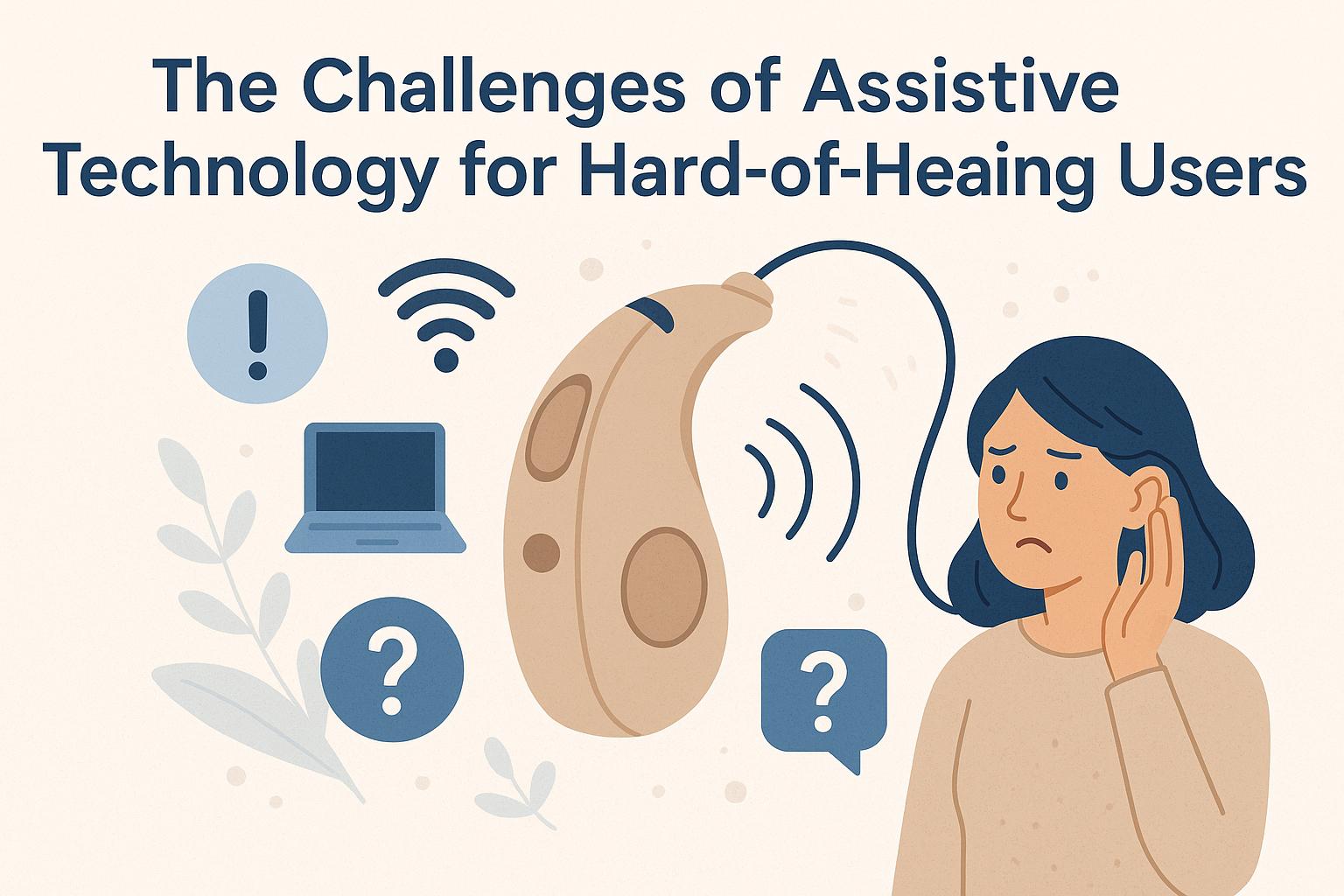
The Challenges of Assistive Technology for Hard-of-Hearing Users
The development of assistive technology has dramatically transformed the lives of individuals with various disabilities, particularly those who are hard of hearing. These technologies are designed to bridge the gap between impairments and daily functional needs, providing users with a toolset that enables smoother communication and better interaction with their environment. However, while the advantages are numerous, the road to utilizing these technologies seamlessly is fraught with challenges. It’s imperative to shine a light on these challenges to work towards solutions that enhance both accessibility and usability for hard-of-hearing users.
Accessibility Issues
Accessibility remains a cornerstone issue in the realm of assistive technology for hard-of-hearing individuals. Despite advancements, many devices fail to consider the full spectrum of needs that this diverse group presents. True effectiveness of these technologies can only be realized when they are designed with the end-user in mind, ensuring they are easily navigable and cater to a range of hearing profiles.
The responsibility lies not solely on creating technologically advanced solutions, but also on ensuring these solutions are intuitively adapted to their users. Devices often overlook basic accessibility factors, such as ease of use, portability, and intuitiveness, which are critical for adoption and sustained use by those who rely on these aids in their daily lives.
Affordability
The matter of cost stands as a significant hurdle in the widespread adoption of assistive technologies. High-quality hearing aids and associated technologies often come with a price tag that puts them out of reach for many individuals who could benefit most. Economic constraints can severely limit the ability of users to access these essential devices, highlighting the need for solutions that are not only technologically accessible but also financially attainable.
Reducing the cost barrier can open doors to improved quality of life for users. Therefore, when discussing accessibility, financial viability should be treated with as much importance as technical functionality. It is vital for industry stakeholders to consider pricing strategies that reflect the diverse economic capabilities of their user base to ensure wider access to technology that can significantly better lives.
Technological Limitations
In exploring the technological landscape of assistive devices, it becomes evident that performance can vary greatly depending on the environment. Devices that demonstrate efficacy in quiet settings may find their performance compromised in noisy or crowded environments. This limitation becomes problematic in social settings where users seek engagement, underscoring the necessity for more adaptable and environment-aware technology.
Developers continually face the challenge of adapting technologies to function effectively across diverse situations without compromising their core utility. Innovations that incorporate adaptive algorithms capable of adjusting to changing auditory landscapes could potentially offer solutions to these long-standing issues.
Complexity and Usability
Rapid technological innovation, while a boon, sometimes results in devices that are too complex for average users. Advanced features can often lead to complicated interfaces and settings, daunting for individuals who are less familiar with technology. This complexity, if not addressed, can deter users from engaging with the technology altogether.
Designing with simplicity and clarity in mind can drive greater adoption and satisfaction. Ensuring that user-friendly interfaces are prioritized in the development phase can make the difference between a device that sits in a drawer and one that transforms daily life.
Stigma and Social Acceptance
Despite progress, the social stigma associated with wearing assistive devices remains a palpable issue. The visibility of these devices can introduce feelings of self-consciousness or embarrassment, discouraging users from wearing them openly.
Fostering a society that views assistive technologies as tools of empowerment rather than signs of deficiency is crucial in overcoming stigma. Public education and awareness initiatives can play an integral role in reshaping perceptions, thereby increasing adoption and usage.
Customization and Fit
The effectiveness of hearing aids and similar devices is largely contingent on their ability to be tailored to individual needs. A well-fitted device that allows for customization based on specific hearing requirements can significantly enhance user experience.
Manufacturers need to prioritize adaptable designs that offer personalization options, ensuring that technologies meet the diverse needs of their varying user base. This includes adjustable volume, frequency tuning, and other personalized settings that optimize the device’s function for individual users.
Integration with Other Technologies
For assistive devices to remain relevant and supportive, they must seamlessly integrate with other technologies. As digital interfaces like smartphones and computers become increasingly integral to daily life, assistive devices must correspondingly adapt with seamless connectivity. However, compatibility issues often emerge as a barrier, preventing smooth communication between devices.
Ensuring compatibility involves adhering to standardized protocols and fostering collaborations with tech companies to develop cohesive ecosystems. This integration allows users to benefit from multiple technologies without encountering disruptions or limitations in functionality.
Concluding Thoughts
Assistive technology for hard-of-hearing individuals holds vast potential, yet it is not devoid of challenges that must be tackled to make these solutions truly inclusive and impactful. Addressing issues of accessibility, affordability, and usability requires concerted efforts from developers, policymakers, and society as a whole. Embracing a user-centered approach in technological innovation can ensure that assistive technologies evolve into tools that meet the complex demands of their users, enhancing their lives in meaningful ways.
For those interested in delving deeper into the intricacies and potential solutions within this domain, a wealth of resources is available [visit this resource](https://www.example.com) for further exploration. The ongoing dialogue about these challenges is essential in guiding the future trajectory of assistive technologies, ensuring that they evolve in a direction that truly meets the needs of all users.