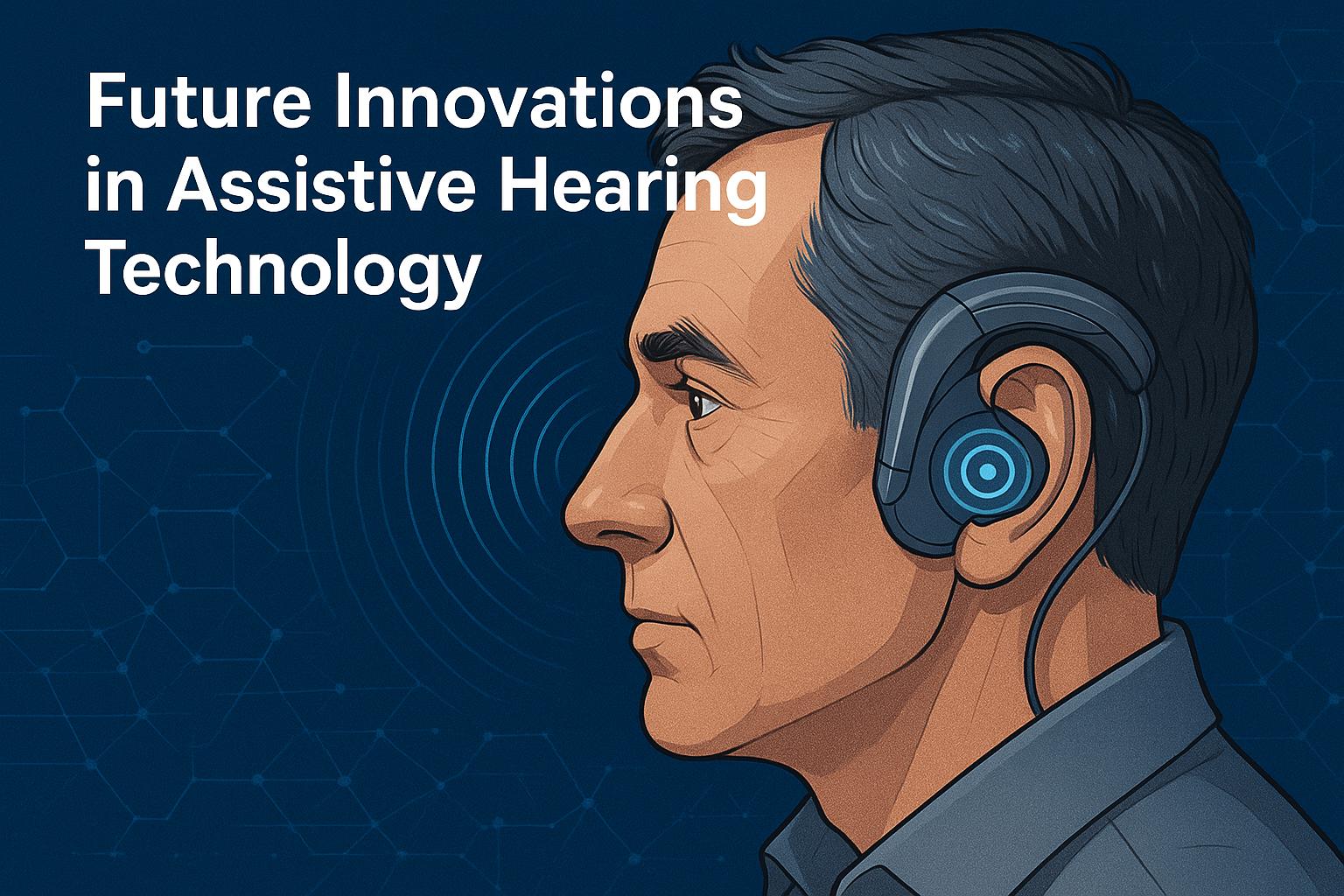
The Evolution of Assistive Hearing Technology
Over the past few decades, significant advancements have been made in assistive hearing technology, transforming the way individuals with hearing impairments communicate and interact with the world. As technology continues to evolve, the future promises even more innovative solutions. This article explores the latest technological trends and future innovations in the field of assistive hearing devices.
AI-Enhanced Hearing Aids
Artificial intelligence (AI) is increasingly being integrated into hearing aids, enhancing their functionality. These AI-powered devices can adapt to different listening environments automatically. For instance, they can distinguish between background noise and important sounds like speech. This capability allows the hearing aids to adjust sound levels dynamically, providing a more natural listening experience. Additionally, some AI-driven hearing aids can learn and remember user preferences over time, further improving user satisfaction.
Adaptive Listening Environments
These AI-based systems are designed to process vast amounts of auditory data in real-time. By analyzing patterns, they can predict the user’s needs and make instantaneous adjustments. Imagine being in a bustling restaurant; AI hearing aids can focus on the voice of the person you’re speaking with, filtering out the clatter of cutlery and background chatter. Such advancements facilitate smoother social interactions, enabling users to engage in conversations with ease.
User-Centric Personalization
AI in hearing aids isn’t just about adapting to environments—it’s also about adapting to users. The more these devices are used, the more they’re able to fine-tune settings that match individual lifestyles. This personalization could eventually extend to marrying auditory experiences with daily routines, turning hearing aids into indispensable lifestyle companions.
Connectivity and the Internet of Things (IoT)
The Internet of Things (IoT) is another area where hearing technology is making strides. Modern hearing aids can connect wirelessly with smartphones and other devices, allowing users to stream audio content directly into their aids. This connectivity not only enhances hearing in diverse environments but also integrates assistive hearing technology into the digital ecosystem of users’ lives. Moreover, IoT capabilities enable remote monitoring by audiologists, ensuring timely adjustments and personalized care.
Seamless Audio Streaming
With IoT integration, audio streaming isn’t just limited to phone calls. Users can connect their hearing aids to televisions, tablets, computers, and more. This opens up a world of entertainment and communication options that are seamlessly integrated into daily life. Whether it’s streaming a favorite podcast during a morning walk or watching a movie at home, modern hearing aids provide a tailored multimedia experience.
Remote Diagnostics and Adjustments
Gone are the days when users needed frequent in-person visits to adjust their hearing aids. IoT not only allows for remote diagnostics but also enables audiologists to make real-time adjustments. This rapid response capability ensures that hearing aids are always optimized, thus eliminating long wait times and delays.
Real-Time Language Translation
A significant future innovation in hearing technology is real-time language translation. Imagine a world where language barriers are diminished by hearing aids that offer instant translation of foreign languages directly into the user’s ear. Such technology will extend communication capabilities, making it easier for individuals to travel and engage in multicultural interactions.
Breaking Down Language Barriers
As travel and migration increase, so does the need to communicate across different languages. Real-time translation via hearing aids will become an indispensable tool for business professionals, world travelers, and anyone needing to communicate in a multilingual context. This technology could transform not just personal interactions but also business negotiations and educational exchanges.
Integration with Machine Learning
The success of real-time language translation lies in its ability to harness machine learning. By continuously learning and updating from user feedback, the translation features can become more accurate and contextually aware. Vocabulary, accents, dialects, and even colloquialisms can be learned and incorporated into the software, providing a fluid conversation experience.
Bone Conduction Technology
Bone conduction technology represents another promising advancement. Unlike traditional hearing aids, which amplify sound through the ear canal, bone conduction devices transmit sound waves through the bones of the skull. This method allows individuals with specific types of hearing loss to perceive sound more effectively. Ongoing research in this field aims to improve the comfort and efficiency of these devices, expanding their use cases for a wider range of hearing impairments.
Enhancing Sound Perception
This technology is particularly beneficial for individuals with conductive hearing loss. By bypassing the ear canal, bone conduction devices provide clearer sound reception directly to the cochlea through vibrations. Researchers are devoted to refining this technology, ensuring that the devices are both comfortable to wear and efficient in delivering sound.
Expanding Usage Scenarios
Envision playing sports or engaging in outdoor activities where traditional hearing aids may be cumbersome. Bone conduction devices, often more robust and weather-resistant, could become the preferred choice. By making accessibility in diverse environments possible, these devices broaden the range of situations where users can comfortably and effectively utilize hearing technology.
Advancements in Tinnitus Management
Tinnitus, a condition characterized by persistent ringing or buzzing in the ears, presents unique challenges for hearing technology. Future hearing aids will likely include advanced tinnitus management solutions. These may consist of sound therapy features and customizable soundscapes designed to alleviate the symptoms of tinnitus, providing relief for sufferers.
Targeted Sound Therapy
One of the promising advancements in tinnitus management is the development of sound therapy techniques. These are designed to help train the brain to focus away from the persistent noise, incorporating therapeutic soundscapes or even white noise to counterbalance the tinnitus sounds. Some hearing aids will come with customizable profiles that allow users to select which sounds are most effective in providing relief.
Customizable Soundscapes
Customizable soundscapes represent another innovative solution for tinnitus sufferers. By enabling individuals to tailor sound environments that promote relaxation and distraction from tinnitus, the quality of life can be significantly improved. This option offers varying sound textures and frequencies aimed at desensitizing users to the persistent noise that tinnitus presents.
Conclusion
The future of assistive hearing technology is bright, with ongoing innovations aimed at improving the quality of life for individuals with hearing impairments. As technologies like AI, IoT, and real-time translation continue to evolve, hearing aids will become even more personalized and integrated into users’ lives. These advancements not only promise more effective hearing solutions but also open up new avenues for social interaction and inclusion. For a comprehensive exploration of these emerging trends, specialized journals and resources in audiology are valuable avenues for further research.