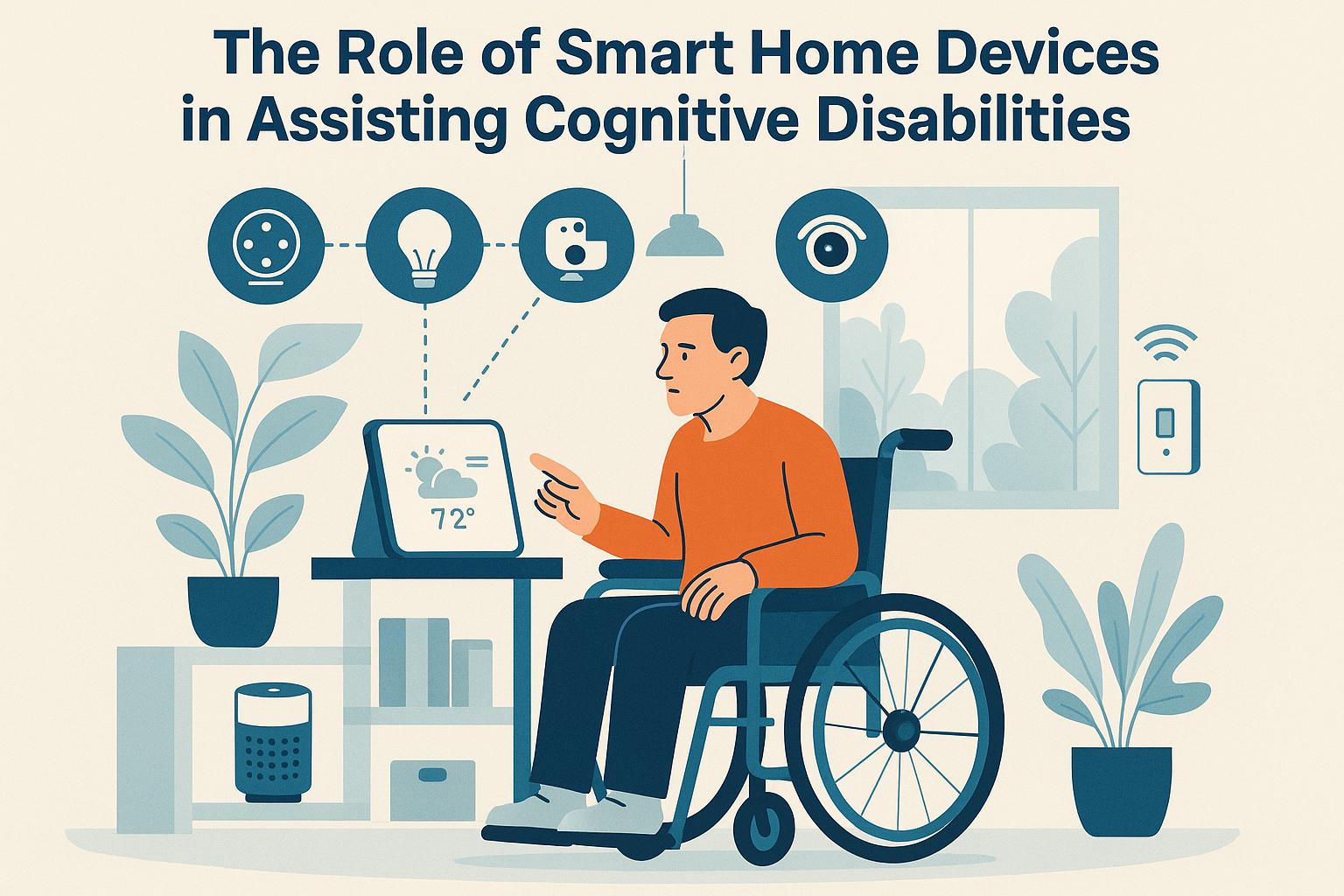
The Impact of Smart Home Devices on Cognitive Disabilities
The integration of smart home devices into daily living environments presents considerable opportunities for individuals living with cognitive disabilities. These technologies enhance daily routines and tasks, fostering greater independence and improving overall quality of life. As these smart technologies become more prevalent, their potential to transform lives becomes clearer.
Understanding Cognitive Disabilities
Cognitive disabilities encompass a range of conditions that impact an individual’s ability to process information effectively. These can include difficulties with memory, attention, comprehension, problem-solving, and decision-making. Conditions such as Alzheimer’s disease, dementia, traumatic brain injuries, and certain developmental disorders are all grouped under the category of cognitive disabilities. They introduce significant challenges to day-to-day living, affecting both basic activities and complex tasks. By addressing these challenges through smart home technologies, we can foster environments that are accommodating and supportive.
The Role of Smart Home Devices
Smart home devices are equipped with advanced technologies offering tailored support for individuals with cognitive disabilities. The integration of these devices in home environments can vastly improve functionality and autonomy. Here we explore several key aspects:
Medication Reminders
Medication adherence is crucial for managing health, yet it can be challenging for those with cognitive disabilities. Smart home systems can offer audio or visual alerts for medication schedules. These reminders are essential in reducing the risk of missed doses, thus ensuring better health outcomes. In addition, they can provide alerts for caregivers, enabling monitoring of adherence and providing reassurance that medications are being taken as prescribed.
Routine Management
Establishing and maintaining daily routines can prove beneficial for individuals with cognitive challenges. Smart assistants and programmable systems play a pivotal role in structuring these routines. They can schedule specific tasks at designated times, covering activities such as personal hygiene, meals, and appointments. By promoting consistent scheduling, these devices help alleviate some of the challenges associated with cognitive disabilities, thereby optimizing daily functioning.
Environmental Control
For those who experience difficulty handling manual controls, smart home technology offers a seamless solution. Through simple voice commands or automated sensors, individuals can manage home environments including lighting, temperature control, and appliances. This automation simplifies the interaction with daily living essentials, reducing the cognitive load associated with managing one’s living space.
Safety Enhancements
Safety is a paramount concern for individuals living with cognitive disabilities, and smart home devices provide comprehensive solutions to many safety challenges:
Monitoring Systems
Smart cameras and sensors are invaluable, offering constant monitoring of the living environment for unusual activities or potential intrusions. Some systems feature real-time alerts sent directly to caregivers or emergency services upon detecting specific conditions, such as a fall or an unscheduled attempt to leave the home. These systems ensure that immediate attention can be given to critical situations, enhancing the safety net around affected individuals.
Emergency Assistance
Devices featuring emergency functions, such as panic buttons or voice-activated call mechanisms, serve as critical lifelines. They provide immediate access to help during emergencies when traditional communication methods may be inaccessible. This capability ensures not only the safety but also the peace of mind of both the individuals and their families.
Challenges and Considerations
While the advantages of smart home technologies are clear, challenges exist in their implementation. Privacy presents a major concern as these technologies often rely on constant data collection that may intrude on personal space. Ensuring robust data protection measures is crucial to safeguarding privacy. Additionally, the initial setup and ongoing use of these devices may require external assistance, demanding that solutions be accessible and easy to use.
Furthermore, technological familiarity varies significantly among individuals with cognitive disabilities, with some requiring comprehensive instruction and ongoing support to make effective use of these technologies. Careful consideration of user accessibility and interface design is crucial.
The Future of Smart Home Technologies
Looking to the future, smart home technologies will likely grow in their capacity to assist those with cognitive disabilities. Advances in machine learning and artificial intelligence promise more personalized and adaptive supports tailored to individual needs. Such developments highlight the importance of collaboration between technology developers, healthcare providers, and end-users to create environments that are both empowering and safe.
As the field evolves, there remains a strong incentive to conduct further research and development. This includes engaging with organizations dedicated to the advancement of assistive technologies. Such engagement can enrich our collective understanding of how best to utilize technology for the betterment of those with cognitive disabilities.
In conclusion, smart home devices offer a valuable means to enhance the living conditions of individuals with cognitive disabilities. Through thoughtful application and continual innovation, these technologies hold the potential to bolster independence, ensuring that individuals not only manage daily activities more effectively but also lead fuller, more autonomous lives.