Understanding ADHD and Its Challenges
Attention Deficit Hyperactivity Disorder (ADHD) is a complex neurodevelopmental disorder that manifests through a variety of symptoms such as inattention, impulsivity, and hyperactivity. These symptoms go beyond simple restlessness or absent-mindedness; they can create substantial challenges in everyday life, impacting essential areas like academic performance, work productivity, and social interactions. Individuals with ADHD often struggle to maintain focus on tasks, manage time effectively, and interact socially in a manner that peers without the disorder might find intuitive.
The implications of ADHD can be wide-ranging. In academic settings, students with ADHD may have difficulty sustaining attention during lessons, leading to missed information and affecting their learning outcomes. Similarly, in professional environments, adults with ADHD might find it difficult to keep track of assignments or deadlines, potentially impacting job performance. Socially, the impulsive nature often associated with ADHD can lead to misunderstandings or conflicts in relationships. Therefore, finding effective management strategies is crucial for improving quality of life for those affected by this disorder.
The Role of Wearable Technology in ADHD Support
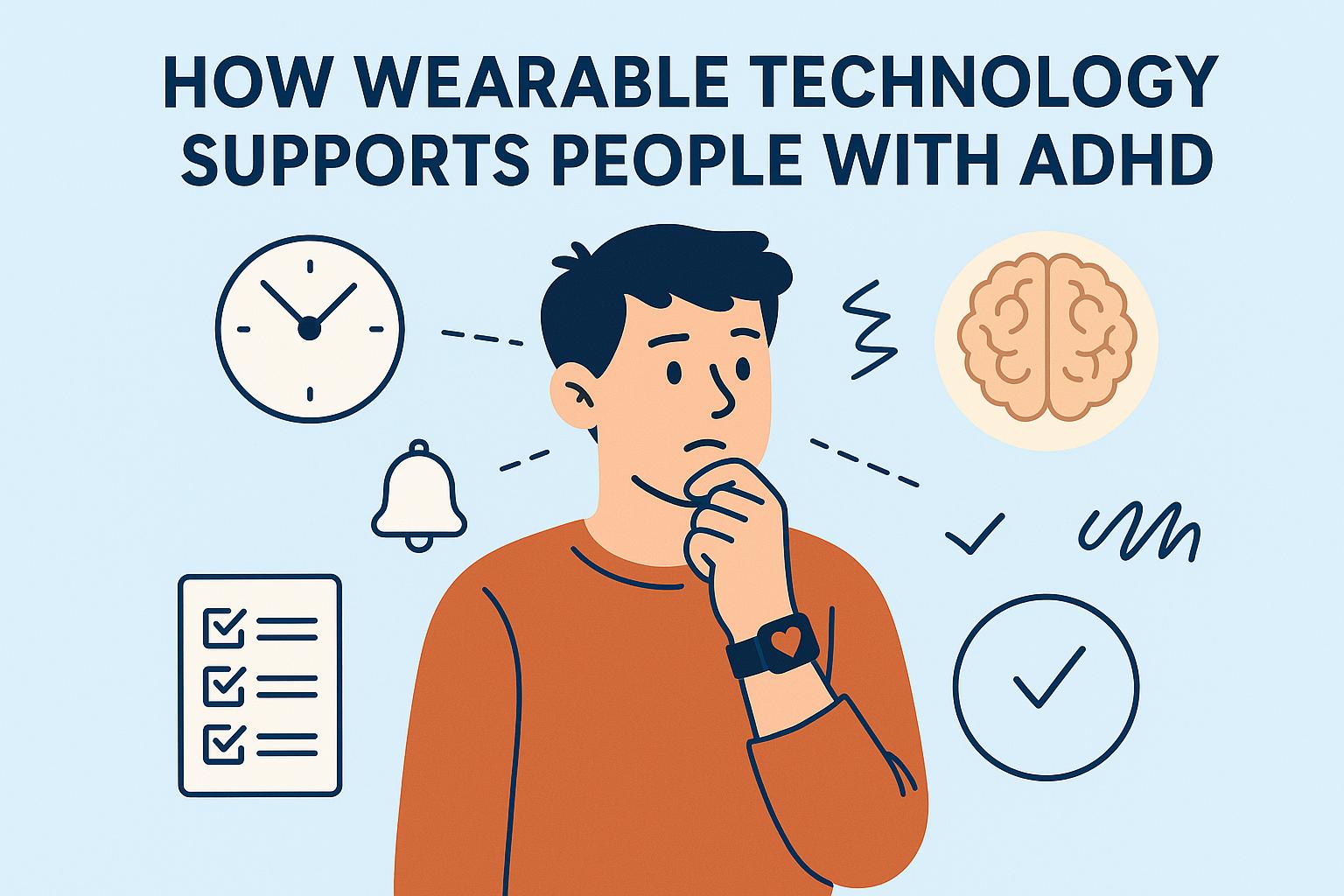
Wearable technology has emerged as a promising avenue to provide support and management tools for individuals with ADHD. These devices are designed to be worn on the body, and they harness the power of real-time feedback, reminders, and tracking capabilities to assist individuals in managing the various aspects of ADHD symptoms. This technology offers a versatile approach, complementing traditional management methods like medication and therapy by providing additional resources that can be tailored to individual needs.
Features of Wearable Technology
Wearable devices offer an array of functionalities that specifically cater to the needs of individuals with ADHD, addressing symptoms like forgetfulness, impulsivity, and lack of focus.
Reminders and Alerts: Many wearable devices are equipped with built-in systems that issue reminders for tasks, appointments, and scheduled events. This can be particularly beneficial for those with ADHD who may struggle with time management and organization. Alerts can serve as gentle prompts to help users stay on track, reducing the likelihood of missed deadlines or overlooked responsibilities.
Activity Tracking: Regular physical activity is often recommended as a part of ADHD management, as exercise has been shown to alleviate some symptoms related to attention and impulsivity. Wearable devices typically include fitness tracking features that encourage users to maintain an active lifestyle while also allowing them to monitor activity levels and set fitness goals. This can foster a healthier routine and improve overall well-being.
Biofeedback: Certain wearable devices offer biofeedback capabilities, providing users with insights into their physiological states, such as heart rate, stress levels, and sleep patterns. This feedback can be instrumental in helping individuals with ADHD become more aware of the connections between their physical states and their emotional and mental experiences, empowering them to make adjustments that enhance coping strategies.
Popular Wearable Devices for ADHD
Wearable technology has expanded to include various devices that are particularly beneficial for individuals managing ADHD symptoms. These include smartwatches, fitness trackers, and specialized focus devices, each serving unique roles in the realm of ADHD support.
Smartwatches
Smartwatches have become increasingly popular due to their multifunctional nature. These devices are equipped with an expansive array of applications that assist users in maintaining organization, setting reminders, and facilitating communication. For individuals with ADHD, this range of functionalities is particularly helpful in managing daily tasks and keeping them engaged in their responsibilities without becoming overwhelmed. The portability and ease of use associated with smartwatches make them a practical solution for those seeking to manage ADHD symptoms more efficiently.
Fitness Trackers
Fitness trackers emphasize the importance of physical activity in managing ADHD symptoms. By tracking steps, workouts, and heart rate, these devices provide users with valuable data that encourages an active lifestyle, which can have positive effects on attention and mood. Additionally, fitness trackers often monitor sleep quality, an important aspect of overall health that can directly influence symptoms of ADHD, as well-rested individuals tend to have better focus and energy levels throughout the day.
Specialized Focus Devices
Some wearable devices are tailor-made to enhance concentration and attention. These specialized tools often use neurofeedback through audio and visual cues to help users improve their attention control. By providing direct feedback about mental states, these devices can train users to recognize when they are losing focus and practice techniques to regain concentration. Such functionality is crucial for those who find maintaining attention a challenging endeavor.
Research and Efficacy
Current research into the effectiveness of wearable technology in aiding ADHD management is actively developing. Initial studies and anecdotal evidence suggest that these devices can be beneficial tools. While not intended as a substitute for professional medical advice, medication, or therapy, wearables serve as an adjunct resource. They enhance the overall treatment strategy by offering real-time data and support mechanisms that can be tailored to individual needs.
For individuals interested in exploring wearable technology to aid their ADHD management, consulting with healthcare providers is advisable to ensure a personalized approach that complements existing treatments. Healthcare professionals can offer guidance on selecting the most appropriate devices and implementing them effectively within a broader management plan.
Furthermore, resources such as the Children and Adults with Attention-Deficit/Hyperactivity Disorder (CHADD) website provide additional information and insights into the latest tools and strategies available for managing ADHD. With ongoing advancements in technology and further research into their applications, wearable devices hold the potential to significantly enhance the quality of life for those tackling the challenges posed by ADHD.