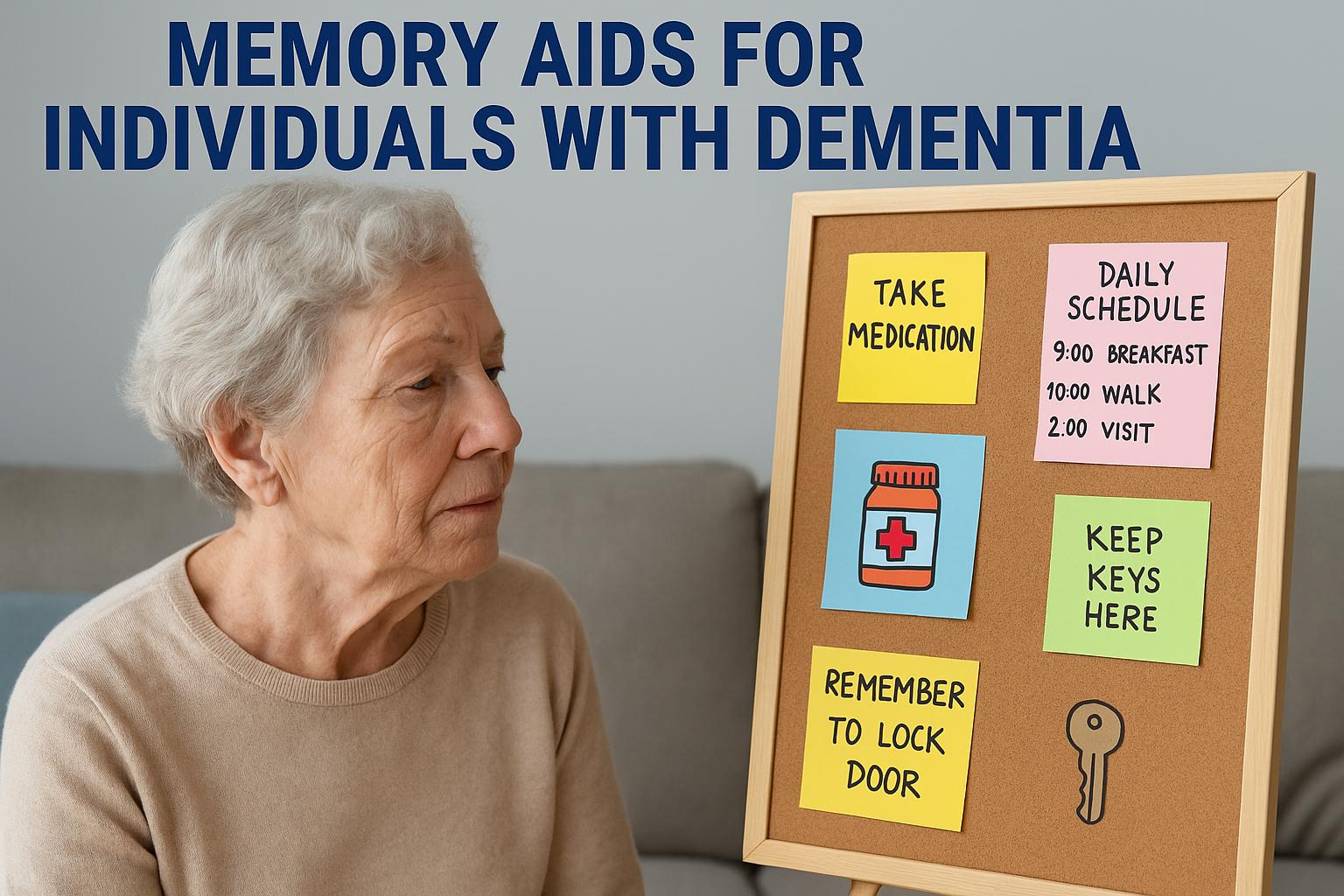
Understanding Memory Aids
Memory aids are instrumental tools or strategies developed explicitly to help individuals retain and recall important information. The importance of these aids becomes especially evident in cases of dementia, where they play a crucial role in coping with memory loss and helping individuals maintain a level of independence. Dementia is a condition that significantly affects cognitive functions, turning the simplest daily tasks into significant challenges. By using effective memory aids, individuals with dementia can witness an enhancement in their quality of life.
Types of Memory Aids
Memory aids can be divided into several categories, each with unique functions and benefits. A common type is visual aids, which include tools like calendars and labels, offering clear reminders of important events and tasks. For instance, strategically placed labels on cupboards and drawers can assist individuals in quickly identifying their contents, ensuring efficiency in performing daily activities.
Technological Aids
The rapid advancement in technology presents an array of beneficial solutions for memory aids. In recent years, various apps and devices have been developed to offer assistance. For example, smartphones and tablets can be equipped with reminder apps. These apps are designed to alert users of upcoming appointments, times for taking medications, or any important scheduled activities. Furthermore, devices such as GPS trackers offer additional benefits by enabling caregivers to monitor the whereabouts of individuals who may have a propensity to wander. Such technological solutions provide a sense of safety and assurance for both individuals with dementia and their caregivers.
Environmental Modifications
Creating a supportive and conducive environment is another effective strategy in the realm of memory aids. Environmental modifications can significantly ease the challenges posed by dementia. These modifications may involve simplifying the layout of a home, removing potential hazards, and ensuring that frequently used items are within easy reach. Additionally, implementing color-coded systems and signposting within the living space can guide individuals effectively, thereby reducing confusion and disorientation. Such structured environments help in making navigation more intuitive and less stressful.
Benefits of Memory Aids
The implementation of memory aids is accompanied by a host of benefits. One of the primary advantages is that these aids help enhance an individual’s independence, enabling those with dementia to engage more actively and confidently in daily activities. In addition to fostering independence, memory aids also help in alleviating feelings of anxiety and frustration. By reducing the memory burden, individuals can focus on enjoying their daily lives and interactions rather than worrying over remembering essential tasks or information.
Challenges and Considerations
While the benefits of memory aids are substantial, there are challenges that may arise during their use. It is crucial to ensure that these aids are personalized to fit the unique needs and preferences of the individual. Alignment with the person’s cognitive abilities is essential to avoid overwhelming them. Overcomplicating the aids can inadvertently lead to further confusion and frustration. Therefore, it is prudent for caregivers to introduce memory aids gradually, providing clear, concise, and simple instructions to ensure effective utilization.
Involving Caregivers
The role of caregivers is pivotal in the effective implementation and use of memory aids. Their active involvement in selecting and using these aids ensures consistency and reliable support. Establishing regular communication between healthcare providers, caregivers, and the individuals living with dementia is necessary to adapt strategies over time, especially as the condition progresses. Caregivers are positioned uniquely to offer the continuous support needed to ensure that memory aids are effectively enhancing the individual’s quality of life.
Conclusion
In summary, when implemented correctly, memory aids can substantially enrich the lives of individuals dealing with dementia. By combining a variety of strategies, including visual aids, technological solutions, and environmental modifications, individuals can maintain a sense of autonomy and engage more meaningfully with their surroundings. For those seeking further assistance or more detailed recommendations on better supporting individuals with dementia, extensive resources are available through organizations such as the Alzheimer’s Association. Moreover, consulting healthcare professionals who specialize in dementia care can provide personalized advice and strategies aligned with the individual needs of those living with the condition.