Introduction to Virtual Reality and Autism Spectrum Disorder
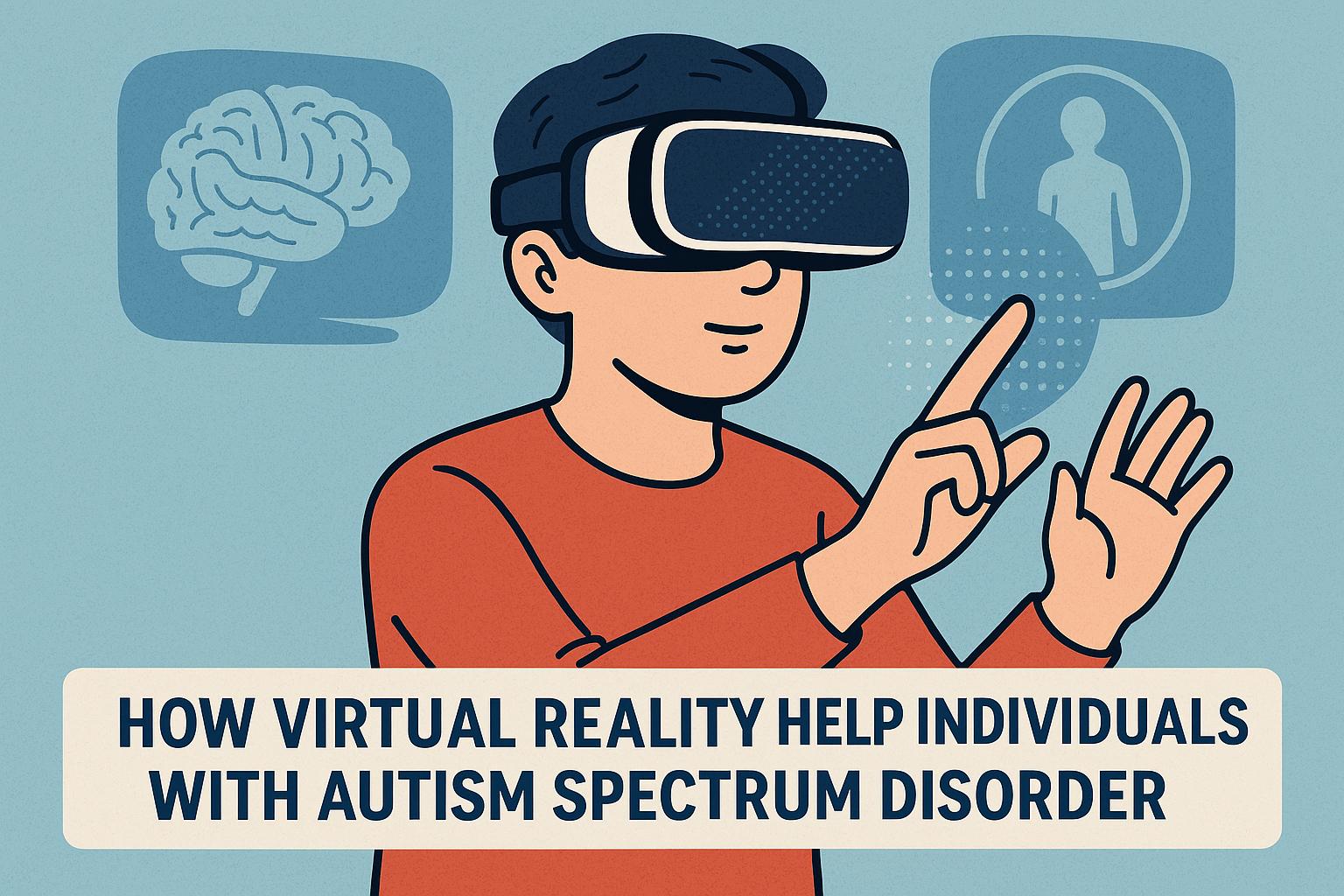
Virtual Reality (VR) is an immersive technology that has garnered significant attention for its application in various fields, including healthcare. One promising area of application is in assisting individuals with Autism Spectrum Disorder (ASD). ASD is a developmental disorder that affects communication and behavior. Therapies for ASD often include behavioral interventions and support, and VR is emerging as a valuable tool in this context.
How Virtual Reality Works
Virtual Reality creates a simulated environment with the help of devices such as VR headsets and software. Users can interact with this environment in a seemingly real or physical way. The ability of VR to create controlled, repeatable environments makes it a valuable resource for educational and therapeutic purposes, especially in areas where real-world practice might be challenging or harmful.
VR systems function by providing a multi-sensory experience, using visuals, sounds, and sometimes haptic feedback to produce the perception of being in an artificial world. High-fidelity graphics and 3D audio contribute to the illusion of presence, immersing users in a virtual setting that can mimic reality or create entirely new worlds. Users often use hand-held controls to interact within this digital space, providing feedback that helps refine and improve the occupational therapy process.
Benefits of VR for Individuals with Autism
There are several advantages of using VR for individuals with ASD, and each aspect of its application can be tailored to suit specific therapeutic goals and objectives.
Controlled Environment: VR allows therapists to tailor environments to meet the specific needs of individuals. This can be crucial for people with autism, who might find certain real-world environments overwhelming. By controlling various aspects of the experience, such as lighting, sound levels, and visual inputs, therapists can gradually introduce elements that individuals with ASD may find challenging, helping them to adjust slowly and comfortably.
Safe Learning Spaces: VR offers a safe space for users to learn and practice skills without the fear of making mistakes or facing real-world consequences. This can be particularly beneficial for developing social skills and responses. By engaging in virtual experiences, individuals can build confidence and understanding before applying what they learn in more unpredictable real-world settings.
Sensory Experiences: Many individuals with autism have sensory sensitivities. VR can help them gradually get accustomed to sensory inputs by introducing them in a controlled manner. This gradual exposure can be modified to cater to individual tolerance levels, providing a personalized pace for acclimatization to various sensory stimuli.
The Role of Interactivity and Personalization
One of the key strengths of VR in therapeutic settings is its interactivity. This characteristic engages users more deeply than traditional therapy methods. In a VR environment, users can make decisions, interact with scenarios, and receive immediate feedback based on their actions. This real-time interaction is invaluable for learning, as it mimics the dynamic and often instantaneous nature of real-world interaction.
Moreover, VR environments can be personalized to align with the individual’s interests or therapeutic needs. Therapeutic modules can range from simple social scenarios to complex multi-role environments. Such customization may increase an individual’s willingness to participate and their enthusiasm for learning new skills, while also addressing specific therapeutic goals identified by professionals.
Current Research and Applications
Research in this field is still evolving, but several studies have shown promising results. For instance, VR has been used to teach social skills, life skills, and even job interview practices. It allows repeated practice of these skills in diverse scenarios, aiding in better generalization to real life. By simulating different social settings, individuals can practice skills in communication, response, and emotional regulation without the pressure of a real-world setting.
Various applications are also being developed to help children with ASD improve their communication and social interaction skills. These applications often use gamification techniques to engage users and make learning a more enjoyable experience. By integrating elements of game design, such as rewards, levels, and challenges, VR applications can motivate users to achieve therapeutic milestones while providing a sense of accomplishment.
Challenges and Considerations
While VR shows promising potential, there are challenges that need addressing. Cost is a significant barrier, as high-quality VR equipment can be expensive. Moreover, there is a need for more research to determine the most effective ways to integrate VR into existing therapeutic practices.
Accessibility is another concern, as certain individuals may have physical or cognitive limitations that make using VR challenging. Developers and therapists need to work together to create solutions that are inclusive and effective. This could involve designing adaptive equipment or developing software that can modify experiences in real-time based on user needs.
Another potential challenge is ensuring that VR experiences do not lead to sensory overload for users, particularly those who have strong sensory sensitivities. Careful design and thoughtful customization of VR scenarios are essential to minimize such risks. Therapists must also be trained to interpret user reactions and make necessary adjustments to ensure a beneficial experience.
The Future of VR in ASD Therapy
As technology evolves, VR is becoming more sophisticated, versatile, and accessible, creating new opportunities for therapeutic interventions. Advancements in hardware and software are expected to reduce costs and improve the quality of VR experiences, making it a more realistic option for widespread use in ASD therapy.
Furthermore, the integration of artificial intelligence into VR systems could enhance personal customization, tailoring therapy sessions to the unique progress and needs of each individual. AI could enable adaptive learning environments where the system continuously analyzes user responses and adjusts scenarios accordingly, providing an even more tailored therapeutic experience.
Conclusion
Virtual Reality holds tremendous potential to assist individuals with Autism Spectrum Disorder by providing innovative, immersive, and safe learning environments. As technology advances and becomes more accessible, it is likely that VR will play a more critical role in ASD therapies. Continued research and development will be essential in enhancing the effectiveness and accessibility of VR solutions for this purpose.
By embracing the potential of VR, professionals working with individuals with ASD have the opportunity to pioneer cutting-edge therapeutic methods that could transform traditional practices. It is an exciting development in a field that stands to benefit significantly from technology integration.
For further information on how VR is utilized in therapeutic settings, you can visit HealthTech.