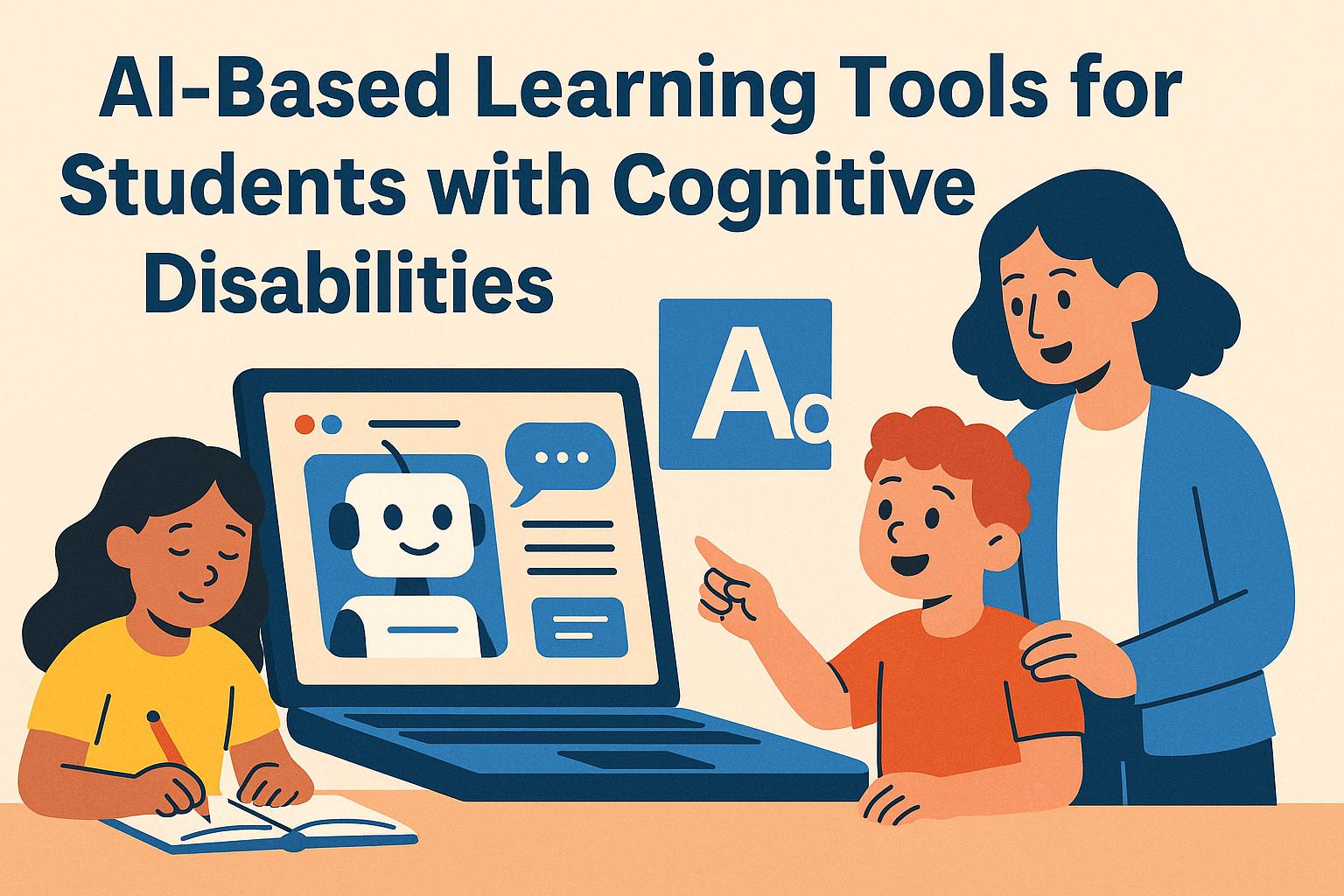
Understanding AI-Based Learning Tools
AI-based learning tools are becoming increasingly significant in the educational landscape, especially for students with cognitive disabilities. These tools utilize artificial intelligence to provide personalized learning experiences, tailoring content and methodologies to individual needs. This approach is pivotal in enabling students with cognitive disabilities to access education more effectively and efficiently.
Key Features of AI-Based Learning Tools
AI-based learning tools incorporate a range of features that enhance learning outcomes significantly. One of the primary features is adaptive learning algorithms. These algorithms assess a student’s progress and comprehension in real time, adjusting the difficulty level of the material accordingly. By doing so, students are challenged appropriately, which aids in maintaining their engagement and motivation. The adaptability ensures that students neither feel overwhelmed by content that is too difficult nor bored by content that is too easy.
Another significant feature integrated into these tools is speech-to-text and text-to-speech capabilities. These functionalities are particularly useful for students who face challenges with traditional text-based learning materials. For instance, speech-to-text technology can transcribe spoken words into written text, assisting students with dyslexia or other learning disabilities in expressing their thoughts without the barrier of handwriting or spelling. Conversely, text-to-speech can aid students by reading out text, helping those with reading difficulties to access and comprehend written content through auditory means.
Real-time feedback is another cornerstone of AI-based learning tools. The capacity to provide instant feedback enables students to recognize and rectify errors swiftly, fostering a more interactive and engaging learning environment. This feedback loop is instrumental in reinforcing learning because it allows students to understand the rationale behind their mistakes and learn correct strategies immediately. This immediacy of correction ultimately contributes to a deeper understanding and retention of knowledge.
Benefits for Students with Cognitive Disabilities
AI-based learning tools offer numerous benefits to students with cognitive disabilities by providing a tailored educational experience. The customized learning environment adapts to the unique learning style and pace of each student, promoting deeper interaction with the content. Personalized pacing allows students to spend extended time on complex topics while quickly advancing through areas they grasp more readily, thereby optimizing their learning experience.
One significant advantage of these tools is the potential to alleviate anxiety and frustration associated with traditional learning methods. By allowing students to learn independently and offering continuous, positive feedback, AI-based learning tools cultivate a more supportive and stress-free educational atmosphere. The assurance of learning at one’s own pace and the encouragement inherent in personalized feedback can lead to increased confidence in students, promoting a more positive attitude towards learning.
These tools not only aid in academic achievement but also offer the opportunity for increased independence. When students become more competent in utilizing these technologies, they acquire skills that can be translated into other areas of life, empowering them in the process.
Challenges and Considerations
Despite the transformative potential of AI-based learning tools, there are notable challenges and considerations in their implementation. One of the primary concerns is accessibility. Ensuring that these advanced tools are accessible to all students who require them, regardless of socioeconomic status, is a significant challenge. Educational institutions must navigate budget constraints and seek innovative ways to integrate such valuable resources.
Another critical consideration is data privacy. The use of AI technologies involves the collection and analysis of sensitive student data, raising concerns over how this information is stored and protected. Educational bodies must take responsibility for implementing robust measures to safeguard student data, so that privacy is maintained without compromising the benefits that these tools offer.
Additionally, there is an imperative need to train educators on integrating AI-based learning tools into their teaching methodologies effectively. Educators play a vital role in maximizing the potential of these technologies, and appropriate training can minimize potential downsides while highlighting their advantages. Teachers unfamiliar with AI tools may face a steep learning curve; therefore, professional development and continuous support are crucial.
Future Prospects
The future of AI-based learning tools is filled with potential, especially concerning students with cognitive disabilities. With ongoing technological advancements and a growing awareness of the need for diverse learning approaches, these tools are anticipated to evolve in sophistication and become increasingly ubiquitous in educational environments. Enhancements in AI technologies could lead to even more personalized and effective learning experiences, supporting a wider array of learning preferences and challenges.
The broader implications of these tools extend beyond students with cognitive disabilities to the realm of inclusive education. By demonstrating the profound impact technology can have on education, AI-based learning tools exemplify the shift towards more inclusive practices that accommodate diverse learner needs. Their development and integration into mainstream educational cycles have the potential not only to transform individual learning experiences but also to redefine educational paradigms globally.
For those interested in exploring how AI is shaping the landscape of modern education, platforms like EdTech Magazine offer a wealth of information and insights. As the landscape continues to evolve, these resources can provide updates on technological trends and developments that will likely influence the future of learning for all students.