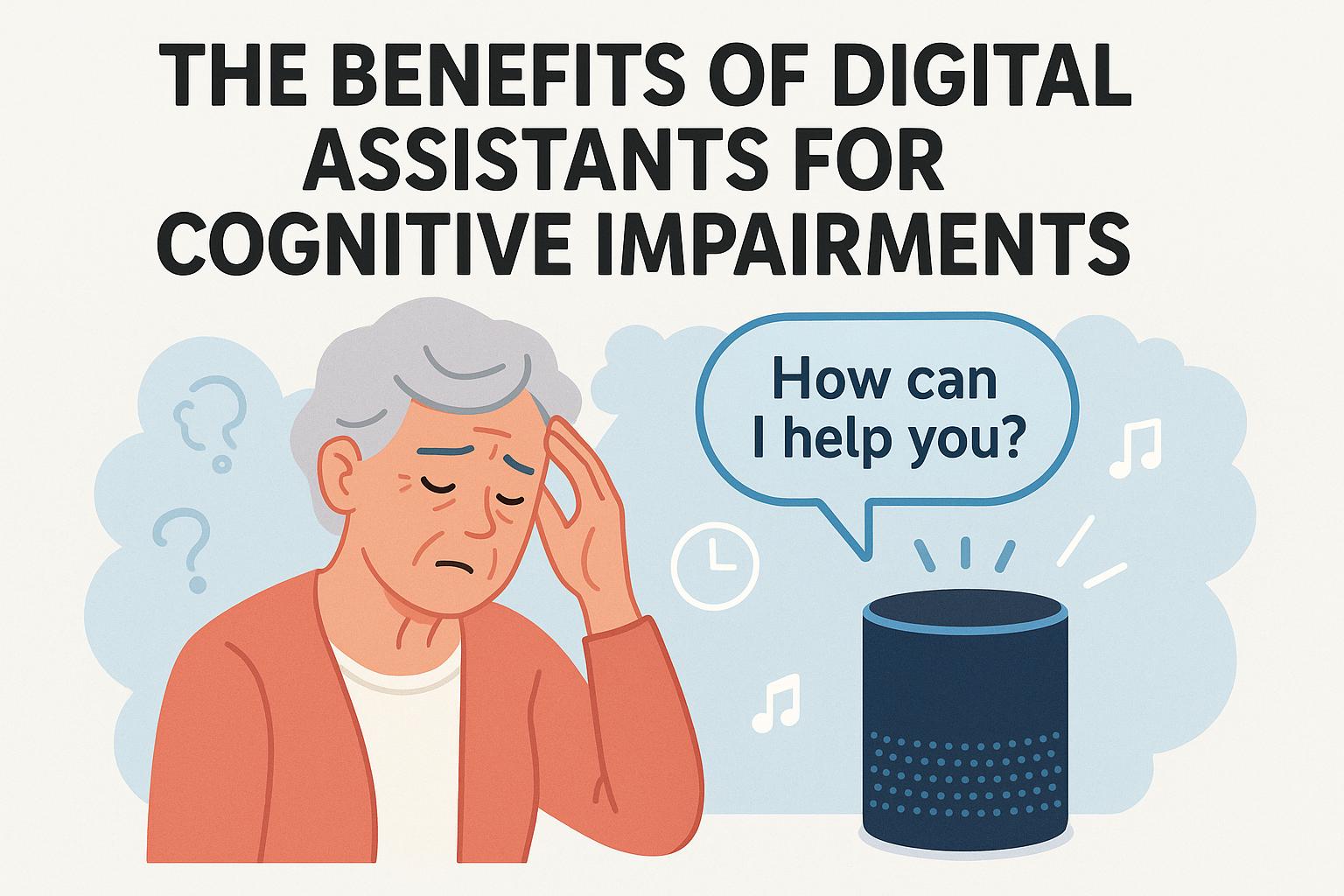
The Advantages of Digital Assistants for Individuals with Cognitive Impairments
Cognitive impairments, such as those experienced by individuals with conditions like Alzheimer’s disease, traumatic brain injuries, or developmental disorders, present significant challenges in daily life. In recent years, digital assistants have emerged as valuable tools for aiding those with cognitive difficulties. With advancements in technology, these virtual helpers can play a crucial role in enhancing the quality of life for affected individuals.
Ease of Access and Use
Digital assistants are designed to be accessible and user-friendly. Their voice-activated nature allows users to engage with devices through straightforward spoken commands. For individuals with cognitive impairments, this feature circumvents the need for complex navigations, providing an intuitive way to operate smart devices. Products from companies like Apple, Amazon, and Google offer easy-to-use digital assistants that cater to accessibility needs.
By employing such technology, users are empowered to interact with their devices in ways that were not possible before, making technology more inclusive. This accessibility is crucial for fostering a sense of independence among individuals with cognitive impairments, allowing them to perform daily tasks with greater autonomy. Voice commands effectively remove the complexity associated with traditional computing methods and thus contribute to a more intuitive user experience.
Memory Support
One of the most beneficial aspects of digital assistants for cognitively impaired users is their ability to aid in memory retention and organization. These assistants can set reminders for medication, appointments, and daily tasks. With the help of a digital assistant, users can better manage their schedules, reducing the cognitive load associated with remembering numerous daily details.
This capability extends beyond simple reminders. Digital assistants can also manage to-do lists and offer prompts for important events or tasks, which supports individuals in maintaining their routines more efficiently. Furthermore, by storing these tasks digitally, the assistants offer a reliable point of reference, ensuring that users are reminded at specific times without having to rely solely on their memory. Such functionality is especially beneficial for those with progressive conditions where memory retention diminishes over time.
Communication and Socialization
For those experiencing difficulties in communication, digital assistants can act as intermediaries. Features such as voice-to-text applications allow users to convert spoken words into text messages, making communication with family and caregivers more efficient. Additionally, digital assistants can facilitate engaging activities like games or audiobooks, thereby fostering social interaction and providing entertainment.
These interactions can reduce feelings of isolation, a common challenge faced by individuals with cognitive impairments. By offering various means of virtual socialization and leisure, digital assistants contribute to the mental well-being of users. The capacity to contact friends and family easily or engage in cognitively stimulating activities can play a vital role in maintaining the social bonds and mental health of affected individuals.
Home Automation Integration
Modern digital assistants integrated with smart home technologies offer enhanced convenience for users with cognitive impairments. They can help control lights, thermostats, and security systems, creating a safer and more comfortable home environment. By managing such tasks through simple voice commands, users gain greater independence within their living spaces.
The integration of home automation with digital assistants essentially redesigns the living experience for those with cognitive challenges. With the controls just a voice command away, managing home utilities becomes significantly more manageable. This technology not only supports a comfortable living atmosphere but also promotes a sense of security. By automating routine tasks, cognitive demands are reduced, allowing users to devote their attention to other meaningful activities.
Healthcare and Emergency Assistance
Digital assistants can serve as crucial components in managing healthcare needs. They provide quick access to health information and can contact emergency services when required. Some advanced systems even offer monitoring features that can alert caregivers to unusual behavior or patterns, ensuring timely intervention if needed.
This element of healthcare integration is transformative in addressing the urgent and regular needs of individuals with cognitive impairments. Digital assistants can keep track of medical records, send reminders for medication, and provide updates on health metrics. In emergency scenarios, the ability to swiftly contact assistance is vital, offering peace of mind to both users and their caregivers. The capabilities of these tools in the healthcare domain significantly enhance the safety and well-being of individuals while enabling caregivers to offer more personalized care.
Conclusion
Overall, digital assistants provide numerous practical benefits for individuals with cognitive impairments. Through user-friendly interfaces, memory support, communication tools, home automation, and healthcare assistance, these technologies significantly enhance living standards. As technology continues to evolve, the role of digital assistants in assisting those with cognitive challenges is expected to expand, offering even more opportunities for improved accessibility and independence.
The continuous development and improvement of digital assistants promise more sophisticated functionalities and even greater levels of support for individuals with cognitive impairments. They stand at the forefront of ensuring that everyone can participate in the benefits of modern technology, regardless of cognitive abilities. By bridging the gap between technology and users, digital assistants foster environments where users not only maintain independence but also actively engage with and enjoy their daily lives. As the focus on accessibility in tech evolves, these tools are likely to become even more integral to supporting individuals with diverse needs, potentially transforming approaches to caregiving and personal management across various spectrum of cognitive conditions.