Understanding Universal Design for Learning (UDL)
Universal Design for Learning (UDL) is an evolving concept within educational frameworks aimed at optimizing the teaching and learning experience for every individual. Rooted in scientific research regarding human learning processes, UDL addresses the diverse learning differences present among students. By incorporating a variety of flexible goals, methods, materials, and assessments, the framework seeks to provide equal learning opportunities to all individuals, thus redefining educational success.
Core Principles of UDL
The UDL framework is built on three pivotal principles that guide its implementation:
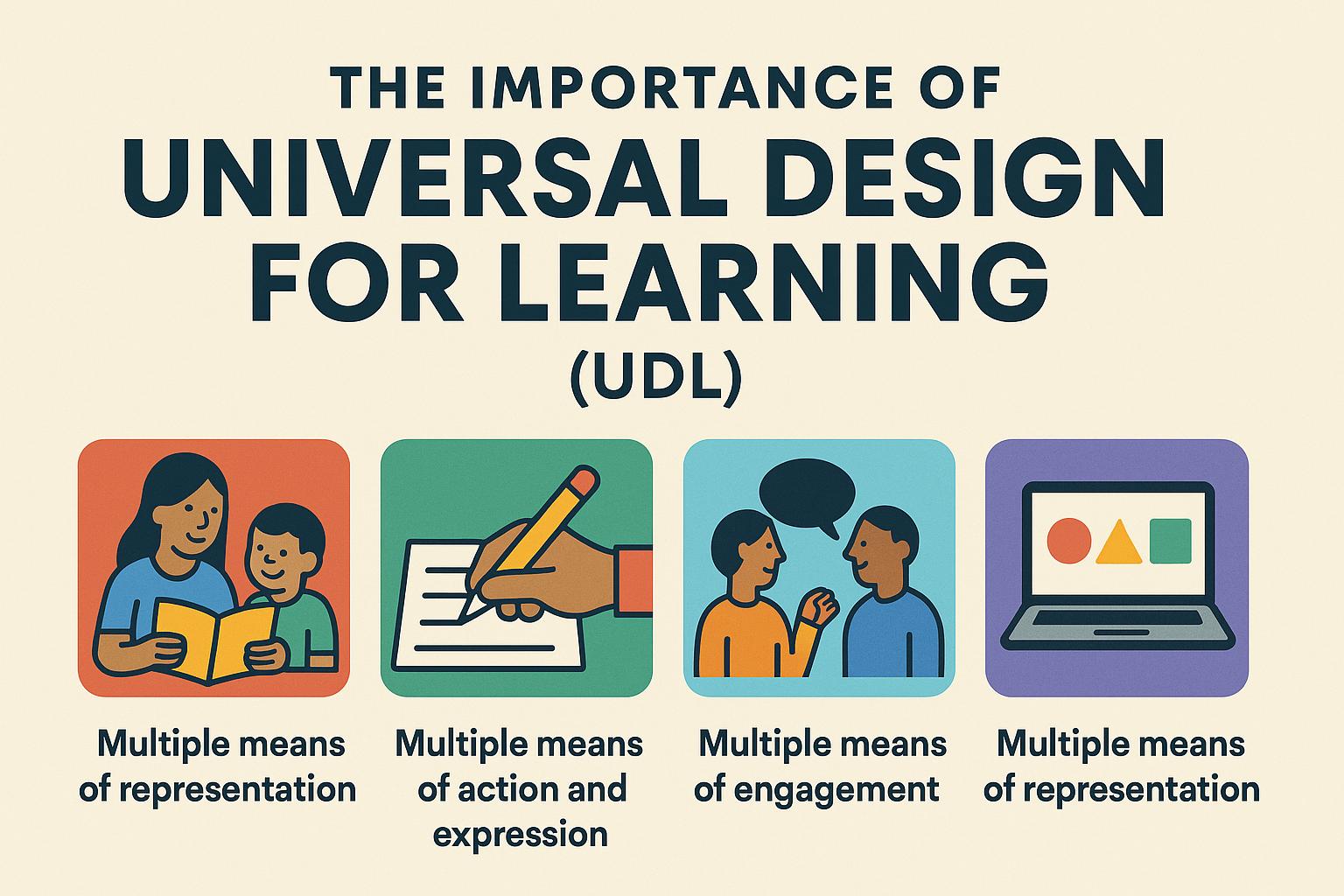
1. Multiple Means of Engagement: This key principle addresses the fundamental question of why learners are motivated to engage in the learning process. Motivation is critical for learning success, and to harness it effectively, educators are encouraged to offer multiple ways to engage students. This could manifest through interactive and collaborative activities, challenging problem-solving tasks, or autonomous project work that spurs curiosity and personal interest. By recognizing and valuing diverse motivations, educators can create a more inclusive and inspiring learning environment.
2. Multiple Means of Representation: Understanding what students are learning requires the presentation of information in a variety of formats. This aspect of UDL acknowledges that each student comprehends information differently. Some may benefit from visual aids like diagrams and infographics, while others might understand better through auditory materials such as podcasts and audiobooks. Still, others might find tactile resources like physical models essential for their learning needs. Offering information in multiple formats permits students the flexibility to engage with content in ways that best align with their individual preferences and strengths.
3. Multiple Means of Action and Expression: This principle revolves around how students can express what they have learned. A key facet of this principle is providing students with diverse options for demonstrating their knowledge and understanding. This could involve various methods of assignment completion, whether through writing, speaking, or even building projects. By allowing students to choose methods that play to their strengths, educators not only honor individual differences but also encourage the development of a wide range of competencies.
The Benefits of Implementing UDL
When implemented effectively, UDL has the potential to bring about several transformative benefits within educational settings. Primarily, it fosters an inclusive learning environment where all students, including those with disabilities, can find their place and thrive. UDL supports and promotes innovative teaching methodologies that enable differentiated instruction, ultimately accommodating a wider array of learning preferences and abilities within the classroom. This inclusive approach directly contributes to preparing students for lifelong learning by equipping them with strategies to adapt successfully across different contexts and challenges they may encounter throughout their educational journeys and beyond.
Challenges in UDL Implementation
Despite its promising prospects, UDL implementation does not come without its challenges. One significant issue educators might face is the increased planning time required to design flexible and inclusive lesson plans. To effectively execute UDL principles, educators must invest time and effort upfront to ensure that their lessons are adaptable to diverse learning needs. Additionally, there is often a need for ongoing professional development to keep teachers informed and equipped with the latest UDL strategies and methodologies. As educational practices evolve, continuous learning and adaptation are essential for educators to maintain the effectiveness of their instruction. Access to diverse resources presents another challenge. For UDL to be successful, schools often need to invest in acquiring new technologies and materials that support varied instructional methods and student needs.
Further Resources and Developments
For those interested in delving deeper into UDL or seeking to implement its principles in their teaching contexts, numerous resources are available. Educational organizations, like the Center for Applied Special Technology (CAST), offer a wealth of resources, guidelines, and tools designed to assist educators in effectively incorporating UDL principles into their classrooms. These resources can provide valuable insights and practical strategies for overcoming challenges and enhancing the educational experience for all learners.
In conclusion, Universal Design for Learning is a critical approach in modern education, as it fosters equity and accessibility in learning. By recognizing and accommodating diverse learning needs, UDL extends the opportunity for every student to reach their full potential. As educators and institutions continue to innovate and explore new methods of teaching, UDL remains at the forefront, championing an inclusive learning environment that values the unique strengths and capabilities of every learner.