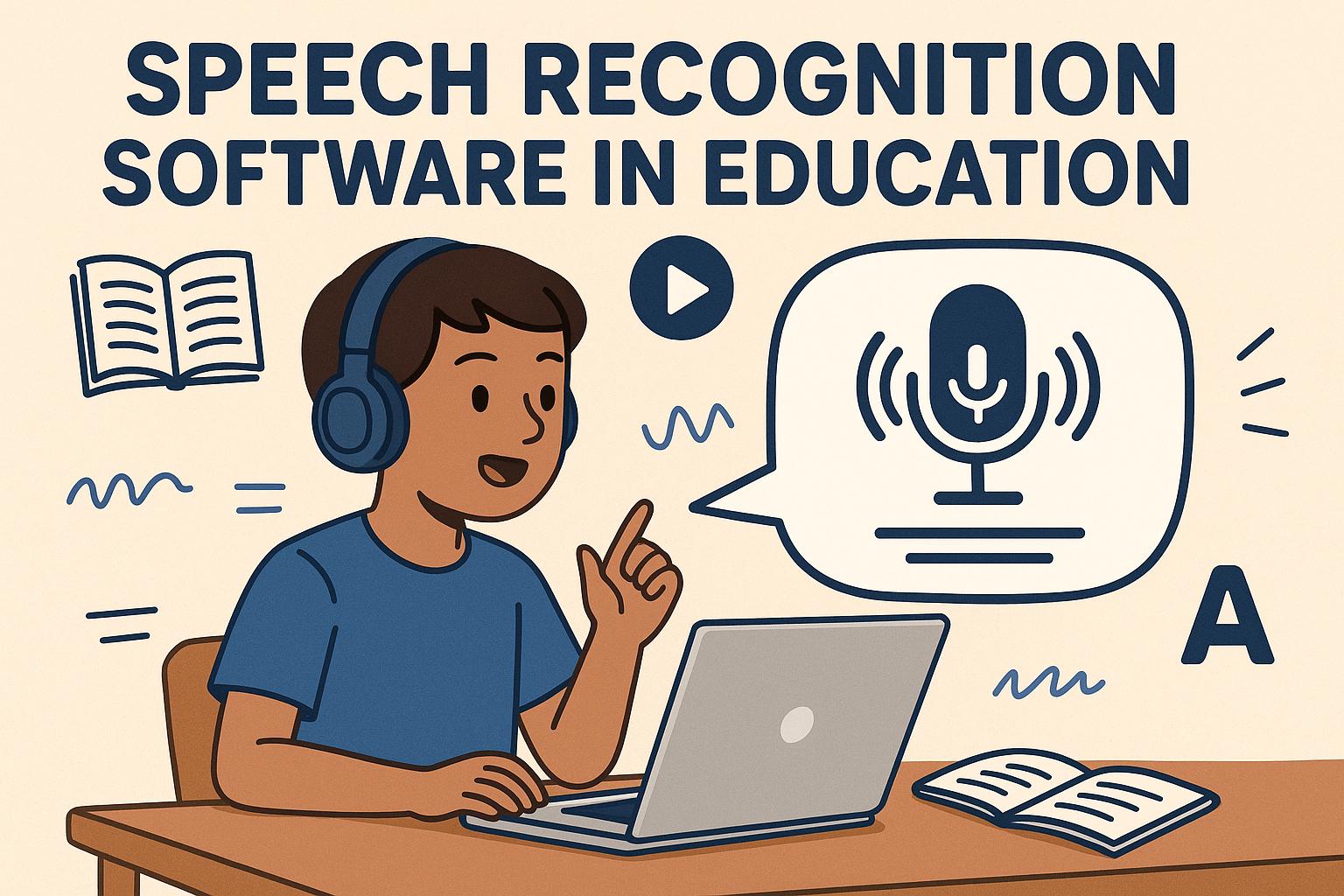
Introduction to Speech Recognition Software in Education
In recent years, speech recognition software has gained significant traction within educational settings. This technology converts spoken language into text, facilitating various educational applications. As educators strive to enhance learning experiences, understanding the capabilities and benefits of speech recognition software becomes essential.
How Speech Recognition Software Works
Speech recognition systems function by analyzing auditory signals and transforming them into digital text. The software utilizes algorithms and linguistic models to identify and process speech patterns. This process involves several basic steps that are critical to understanding how the software operates effectively.
Audio Capture: The initial stage of the process involves capturing spoken input. This is typically achieved using a microphone, which records the speech in real-time. The quality of the microphone and environmental conditions can influence the clarity of the captured audio, thereby affecting the system’s accuracy.
Signal Processing: Once the audio is captured, it undergoes signal processing. The software breaks down the continuous stream of sound waves into smaller, more manageable parts or frames. These segments make it possible to analyze the speech in detail, focusing on specific temporal elements of the audio.
Feature Extraction: During feature extraction, the system identifies critical features of the speech. These features usually include phonetic elements, intonation, and rhythm, which are essential in differentiating various sounds. Extracting these features allows the software to understand the nuances of human speech.
Pattern Recognition: After the features are extracted, pattern recognition comes into play. The software compares the identified features against a pre-stored database of known words and phrases. This matching process is central to recognizing and translating spoken words into text accurately.
Text Output: The final step involves generating a text output based on the recognized words. This text is then displayed on a screen or used in other applications as required. The accuracy of this output depends on the precision of each previous step in the process.
Educational Applications
The implementation of speech recognition software spans a wide array of educational applications, each contributing uniquely to learning outcomes and accessibility in educational facilities.
Accessibility for Students with Disabilities
For students with disabilities—whether physical or learning-related—voice-to-text technology is transformative. It empowers these students by allowing them to express thoughts through dictation, participate actively without manual typing, and navigate complex digital interfaces. This technology is notably beneficial for students with conditions that make traditional input methods challenging, promoting inclusivity and equal learning opportunities. For more information on accessibility initiatives, visit ADA’s website.
Enhancing Language Learning
Language learning is another critical area where speech recognition software has proven to be advantageous. Language learners often rely on immediate, individualized feedback to adjust their pronunciation and fluency, which speech recognition systems provide. The technology enables students to engage interactively with language tutorials, enhancing active learning and improving retention rates of new languages. Such immediate interaction fosters a more engaging and effective learning environment, making language acquisition more intuitive.
Facilitating Classroom Management
In a classroom setting, the duties of educators are made more efficient with the use of speech recognition software. Teachers can automate the note-taking process during lectures, ensuring comprehensive and accurate documentation of classroom dialogue. This automation allows teachers to focus more on delivering dynamic lectures and engaging with students directly, rather than being preoccupied with manual transcription. Furthermore, the creation of precise transcripts benefits students who can use these resources for study and revision, promoting a more in-depth understanding of the subject matter.
Challenges and Considerations
While the advantages of speech recognition technology in education are apparent, there are several challenges and considerations that need to be addressed for optimal implementation.
Accuracy and Language Support
One of the main challenges is the accuracy of speech recognition software. Factors such as diverse accents, varying speech speeds, and background noise can significantly impact the software’s ability to recognize speech correctly. There is also a need for extensive language support to accommodate multilingual environments and diverse linguistic needs. Developers must continually work on refining algorithms to address these accuracy issues, ensuring that the technology remains reliable across different educational contexts.
Privacy Concerns
Privacy is a paramount issue when implementing technology that records student voices. Schools must navigate stringent privacy laws, such as the Family Educational Rights and Privacy Act (FERPA), to ensure that the data collected is protected and used ethically. This involves implementing robust data management policies and obtaining proper consent for data collection and usage to alleviate concerns about unauthorized access or data breaches.
Future Prospects
Looking ahead, the potential for advancing speech recognition technology in education is immense. Continuous improvements in algorithms and machine learning are anticipated to enhance the accuracy and broaden the scope of applications. As developers innovate, these advancements are likely to overcome current limitations, enabling even more sophisticated and supportive applications in educational environments. Integration with other emerging technologies, such as artificial intelligence, could further augment the functionalities of speech recognition systems, providing educators with comprehensive tools to enhance teaching and learning dynamics.
Conclusion
The integration of speech recognition software in educational settings offers substantial benefits, including enhanced accessibility, improved language learning, and streamlined classroom management. While challenges remain, ongoing technological advancements and thoughtful implementation strategies are primed to maximize the potential of this technology in education. As the education sector continues to adapt to innovative solutions, speech recognition technology will play a pivotal role in transforming the future of teaching and learning, ultimately fostering more inclusive and effective educational experiences.