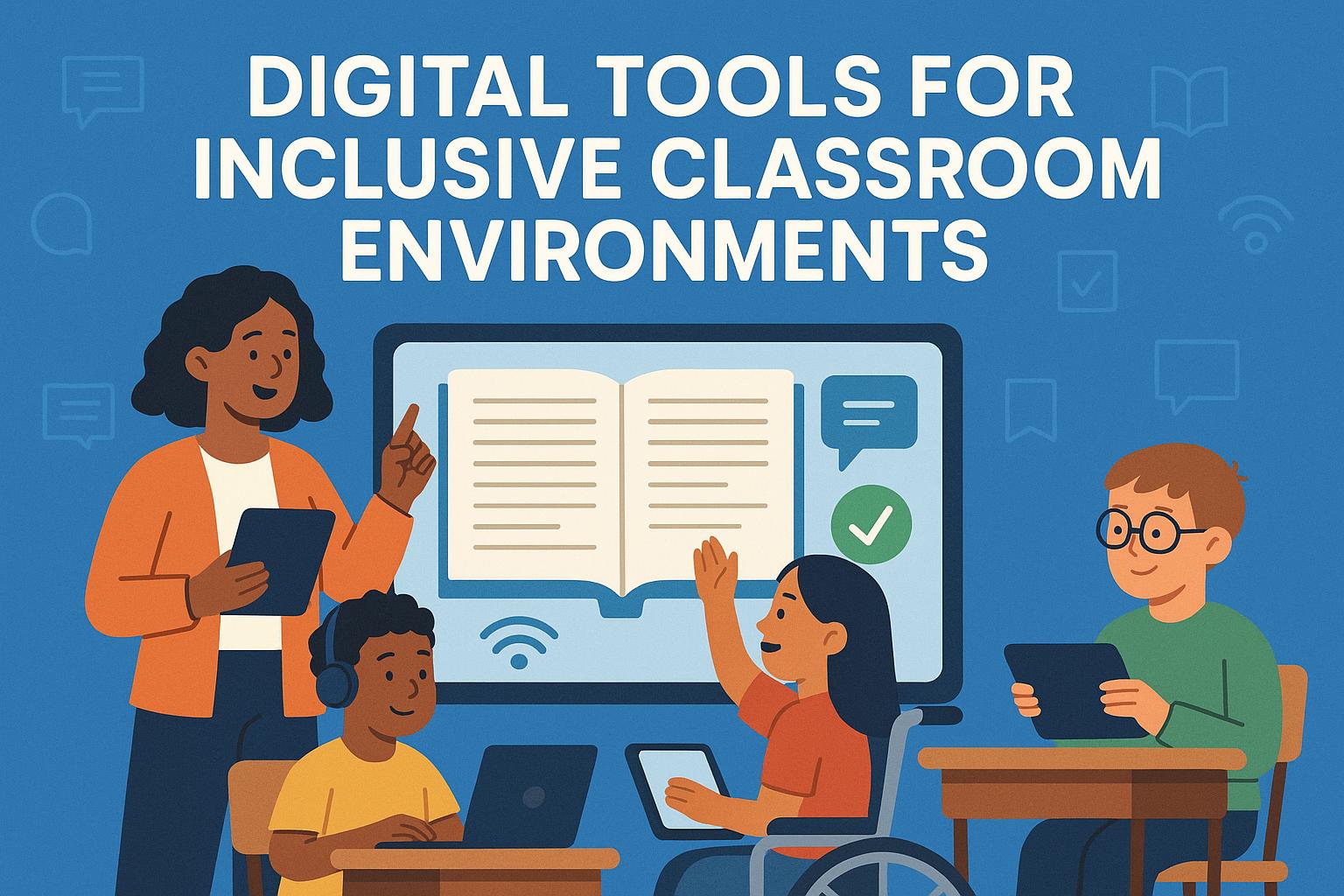
Introduction to Digital Tools for Inclusive Classroom Environments
In recent years, the integration of digital tools in education has significantly contributed to fostering inclusive classroom environments. These tools are designed to accommodate diverse learning needs, ensuring that all students, regardless of their abilities, can access and engage with the curriculum effectively. In this expanded exploration, the various ways digital tools aid in creating inclusive classrooms will be examined, along with their importance in modern education systems.
The Importance of Inclusivity in Education
Education systems worldwide recognize the importance of inclusivity, aiming to provide equitable learning opportunities for students with varying needs. Inclusive education fosters a supportive environment where all students can thrive. Inclusivity in education is not merely about bringing students with diverse needs into the same physical space but ensuring they have access to equal opportunities for learning and personal growth. The use of digital tools plays a crucial role in achieving this goal, allowing educators to tailor their teaching methods to accommodate individual learning preferences and challenges.
Understanding Inclusive Education
Inclusive education means more than just integrating students with disabilities or learning difficulties into mainstream classrooms. It involves a comprehensive approach where teaching methods, classroom strategies, and educational goals are adapted to meet the diverse needs of all learners. This requires a shift in mindset towards valuing different abilities and learning styles, making it imperative for educators to adopt teaching practices that promote participation and success for every student.
Assistive Technology
Assistive technology includes a range of devices and software designed to support students with disabilities. These can range from simple text-to-speech programs and interactive software to more advanced adaptive devices. The deployment of assistive technology in classrooms forms an essential pillar of inclusive education strategies.
Types of Assistive Technologies
Assistive technologies vary widely, designed to address specific needs. From hearing aids and communication boards to specialized writing tools, the scope of these technologies continues to expand as technological advancements are made.
Examples of Assistive Tools
1. Screen Readers: These programs convert text on a screen into synthesized speech, assisting visually impaired students in accessing written content. Screen readers allow for greater independence in learning by enabling the student to engage with text-based resources, research, and online content.
2. Speech Recognition Software: This software converts spoken words into text, benefiting students with physical disabilities or writing difficulties. This allows for easier and more efficient note-taking, essay writing, and participation in collaborative projects.
Collaborative Platforms
Digital tools that promote collaboration and communication are valuable for creating an inclusive classroom environment. Platforms such as Google Classroom and Microsoft Teams facilitate interaction among students and teachers, allowing for diverse modes of communication and learning. These platforms break down geographical and physical barriers, making collaboration accessible to all students.
Features Supporting Inclusivity
The features of collaborative platforms often include tools that enhance access and engagement for students with varying needs.
Real-time Collaboration: Tools that enable students to work together on projects in real-time promote inclusivity by supporting various contributions regardless of location or physical abilities. This feature is crucial in allowing all students, regardless of how they communicate, to contribute equally and meaningfully.
Customizable Accessibility Options: Platforms often offer customizable settings that allow users to adjust interfaces to suit their preferences, making it easier for students with different needs to participate actively. Adjustments can include text size, contrast settings, and even modification of interaction modes to support different learning abilities.
Adaptive Learning Technologies
Adaptive learning technologies are designed to personalize the learning experience based on individual student needs. By using data analytics, these technologies adjust the content and pace of learning, ensuring that students remain engaged and challenged. They cater to the needs of not only those who may require additional support but also those who perform above average, ensuring an equitable and balanced educational experience.
Functionality and Application
These technologies utilize continuous feedback mechanisms and complex algorithms to evaluate student performance and modify content delivery in real time. They can involve digital textbooks, online quizzes, and interactive modules that adapt based on a student’s progress.
Benefits of Adaptive Learning
– Personalized Learning Paths: These tools assess a student’s performance continuously, adapting the curriculum to meet their specific learning requirements. Such personalization ensures that students do not face unnecessary repetitions or content that is too advanced, maintaining an optimal learning curve.
– Enhanced Engagement: By providing content tailored to individual needs, adaptive technologies increase student interest and motivation. Increased engagement levels lead to improved retention of knowledge and better educational outcomes overall.
Challenges and Considerations
Despite the immense potential of digital tools in fostering inclusivity in education, there are challenges and considerations that need to be addressed to maximize their effectiveness.
Access and Equality
One of the primary challenges is ensuring equal access to these digital tools and technologies across different demographics. Schools and educational institutions in under-resourced areas may struggle to provide necessary technology to all students, potentially widening the opportunity gap.
Ensuring Digital Literacy
Another challenge lies in ensuring that both educators and students are sufficiently trained in using these digital tools. Without proper training, the effectiveness of digital tools in creating an inclusive environment may be compromised. Therefore, continuous professional development and training in educational technology must be prioritized.
Conclusion
The integration of digital tools in education is an effective strategy for creating inclusive classroom environments. By addressing diverse learning needs through assistive technology, collaborative platforms, and adaptive learning technologies, educators can ensure that all students have access to meaningful and equitable learning experiences. While challenges exist, with thoughtful implementation and ongoing support, digital tools can be leveraged to create holistic learning environments that celebrate diversity in learning needs. For further reading and the implementation of such tools in educational settings, consider exploring resources provided by educational technology organizations and initiatives.