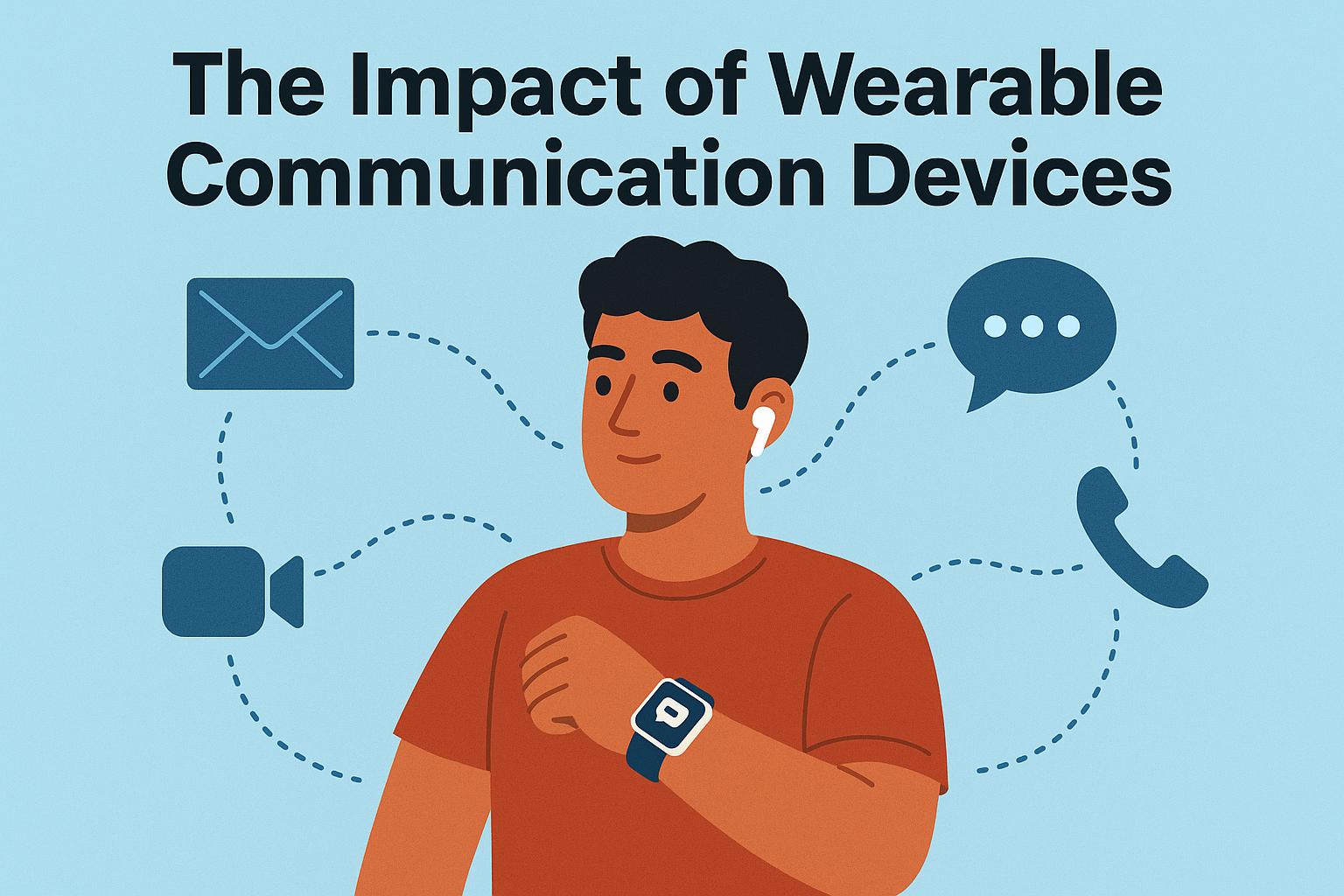
The Evolution of Wearable Communication Devices
Wearable communication devices have transformed from sci-fi fantasies into everyday realities over the past few decades. With advancements in technology, these devices have become indispensable for many. Their evolution has been marked by improved functionalities, smaller sizes, and increased integration into daily life.
Initial Developments
In the early stages, wearable communication devices were primarily used for specific industries. The military, for instance, adopted them for on-field communication. Over time, with the rise of consumer electronics, companies began exploring the potential of these devices for broader markets. The introduction of Bluetooth headsets served as the tipping point, revealing the potential for wireless communication wearable devices.
The journey of wearable communication devices began with simple functionalities and bulky designs. In the initial phases, they were not widely accessible to the general public due to both technological limitations and high costs. The military use, for example, highlighted the utility of these devices in environments where quick and efficient communication was crucial. However, it was not until later developments that these tools became compact and efficient enough for consumer markets.
Wearable communication devices were initially quite simplistic, designed mainly to fulfill basic communication needs. Over time, however, they evolved significantly as technological advances allowed for miniaturization and the development of more sophisticated components. This evolution was further accelerated by the integration of wireless technologies like Bluetooth, which eliminated the clutter of wires, making devices more convenient and user-friendly.
Integration with Health Monitoring
One significant impact of wearable communication devices is their integration with health monitoring systems. Devices like smartwatches now offer more than just the ability to receive calls or messages. They can track heart rates, monitor sleep patterns, and even detect unusual health indicators, providing users with valuable health insights.
This development represents a remarkable convergence of communication technology and health sciences. By offering real-time health data, these devices empower users to take proactive measures concerning their health, potentially avoiding visits to healthcare professionals until necessary. Smartwatches and similar wearable devices often come with sensors that provide continuous health metrics, accompanying users in an increasingly health-conscious era.
Furthermore, the data collected by these devices play a pivotal role in advancing telehealth. By integrating with health applications and services, wearables enable healthcare providers to monitor patients’ health remotely, facilitating preventive care and reducing the burden on healthcare systems. The fusion of communication technology and health monitoring marks a pivotal shift in both personal and public health sectors.
Advancements in Connectivity
With the rollout of 5G networks, wearable communication devices have seen substantial improvements in connectivity. Enhanced speeds and reduced latency facilitate real-time communication, making it feasible to engage in higher-quality video calls directly from smartwatches. This advancement is particularly beneficial for professionals who require reliable communication tools while on the move.
Previously, the limited bandwidth and higher latency of earlier networks made it challenging to perform data-intensive tasks on wearable devices. However, as 5G becomes more prevalent, the possibilities for what wearable devices can achieve have expanded dramatically. 5G technology promises not only faster data speeds but also the ability to connect more devices simultaneously, a crucial factor for the functionality of wearables in smart environments.
These connectivity improvements allow for seamless integration with other devices and systems, enhancing the user experience. For example, professionals can easily access data stored in the cloud, engage in video conferences, and manage tasks on a shared platform virtually from anywhere. The real-time capabilities of connectivity make wearables increasingly valuable in professional, health, and even leisure contexts, bridging the gap between the digital and physical worlds.
The Future of Wearable Communication Devices
Looking forward, the future of wearable communication devices seems geared towards greater integration with the Internet of Things (IoT). Smart clothing and augmented reality glasses are examples of innovations that could redefine how humans interact with technology and each other.
The seamless integration of wearable communication devices with IoT infrastructure means that users will experience entirely new levels of interaction with their surroundings. Imagine a world where your clothing can adjust to the weather, your glasses offer real-time information and directions as you walk, all communicating with each other and the environment, optimizing comfort and convenience. Current innovations in AI and machine learning are likely to play a crucial role in enabling these smart interactions, where devices anticipate needs and adjust accordingly.
As the technology matures, the possibilities for applications will broaden. Beyond personal use, industries such as retail, entertainment, and education can expect to benefit from these advances. Virtual reality (VR) and augmented reality (AR), powered by wearable communication devices, are poised to bring about immersive experiences in these sectors, paving the way for enhanced consumer engagement and learning experiences.
As technology continues to advance, the role of wearable communication devices in daily life will undoubtedly expand, offering increased conveniences and novel interactions. The appetite for new and improved wearables drives continuous innovation, ensuring that the evolution of these devices keeps pace with the needs of a tech-savvy world. The wearables of the future promise to blur the lines further between humans and technology, creating immersive experiences that enrich our lives in previously unimaginable ways.
For more information on the evolution and impact of wearable technology, you may explore industry-specific reports, such as those from Statista and IDC, which provide valuable insights into market trends and future projections.