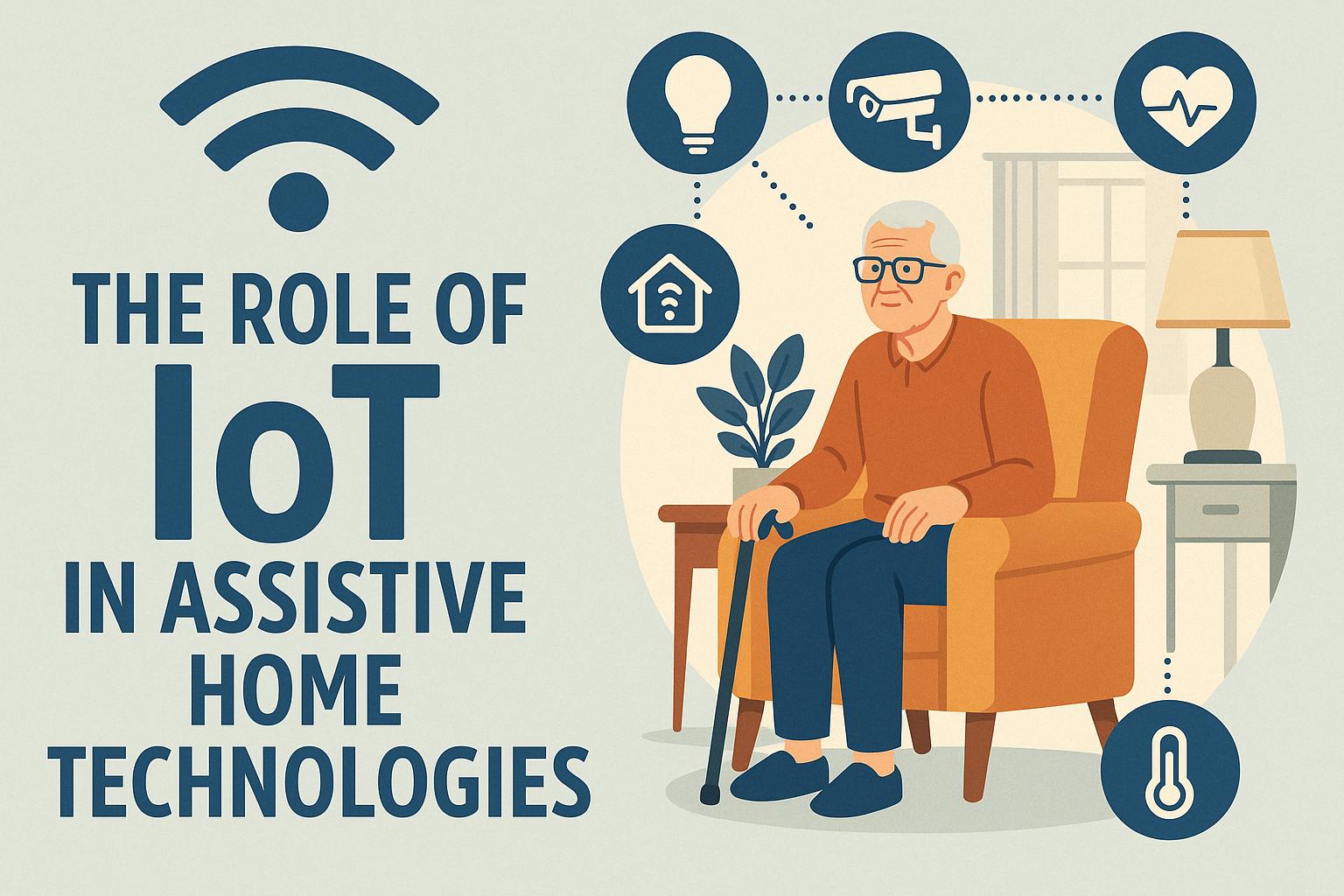
The Impact of IoT on Assistive Home Technologies
The integration of Internet of Things (IoT) technology into assistive home solutions is undeniably shaping the modern landscape of smart homes. As IoT becomes embedded within assistive technologies, it offers numerous advantages, particularly for individuals who require additional support, such as those who are elderly or have disabilities. This document explores the various ways in which IoT is redefining assistive home technologies, emphasizing its contributions to enhanced quality of life and independence.
Integration and Interconnectivity
The core principle behind IoT in assistive technologies is interconnectivity. By establishing a network of interconnected devices, IoT enables seamless communication within the home environment. This network can enable assistive technologies to function in harmony, leading to a more cohesive and responsive system. The integration of devices enhances the user experience by allowing for personalized interaction based on individual needs.
For instance, smart home hubs serve as centralized control units that can manage a multitude of smart devices such as thermostats, lighting systems, and voice-activated assistants. These smart hubs bring various devices under one intuitive interface that simplifies day-to-day management. For users with disabilities or limited mobility, consolidating control of these devices can significantly streamline tasks, providing greater autonomy in managing their living environment.
Enhancing Accessibility
Accessibility is at the forefront of the benefits that IoT brings to assistive home technologies. By incorporating intuitive interfaces and automated systems, IoT ensures that individuals with different kinds of impairments can effectively interact with their environment. Voice recognition is a key feature that facilitates this, allowing users to control devices without needing to exert physical effort. Tasks like adjusting the thermostat, controlling lighting, and managing entertainment systems can be performed effortlessly through voice commands.
Additionally, IoT devices can work in tandem with traditional assistive technologies, such as screen readers, to provide comprehensive support for users with visual impairments. By bridging the gap between digital content and those who might struggle to access it, IoT helps foster a more inclusive community and mitigates the digital divides that often impede individuals with disabilities.
Improving Safety and Security
Enhancing the safety and security of vulnerable individuals is another critical aspect of IoT integration in assistive technologies. With the advancement of smart sensors and monitoring systems, it is now possible to detect unusual activity quickly and accurately. These systems can identify incidents such as falls, prolonged periods of inactivity, or other anomalies, triggering alerts to family members or caregivers. For example, placing motion sensors strategically within a home can help track movement patterns and spot potential risks or accidents before they occur.
IoT-enabled security systems are also key in improving the safety of assistive home environments. With features like remote surveillance and automated locking, caregivers can monitor homes remotely and ensure their loved ones remain secure, no matter their personal distance from the residence. Such systems provide much-needed peace of mind to families and caregivers, knowing that they have an additional layer of oversight to protect residents.
Health Monitoring and Management
The role of IoT in health monitoring and management cannot be overlooked when discussing assistive home technologies. Smart health devices, including wearable monitors and medical equipment, are equipped with sensors that collect valuable health data. This data is then transmitted to healthcare providers in real-time for analysis, facilitating ongoing care management for conditions like diabetes or hypertension. Timely intervention can be implemented if necessary, based on real-time information and predictive analytics.
Furthermore, medication adherence systems empowered by IoT can automate reminders and track compliance with treatment regimens. This is particularly helpful for individuals managing several medications or following complex therapeutic schedules. By ensuring adherence, these systems contribute positively to better health outcomes, thereby reducing the burden on individuals and their families concerning medical management.
In conclusion, the transformation brought by IoT on assistive home technologies is profound and multidimensional. IoT not only enhances the integration and accessibility of technology in our homes, but it also strengthens safety protocols, improves security measures, and optimizes health management strategies. As a result, individuals who make use of these technologies – especially those with disabilities and the elderly – benefit from greater independence, empowerment, and an overall improved quality of life. The application of IoT in assistive home technologies epitomizes the successful blending of cutting-edge technology with humane solutions aimed at fostering an inclusive and supportive living environment for all.