Introduction
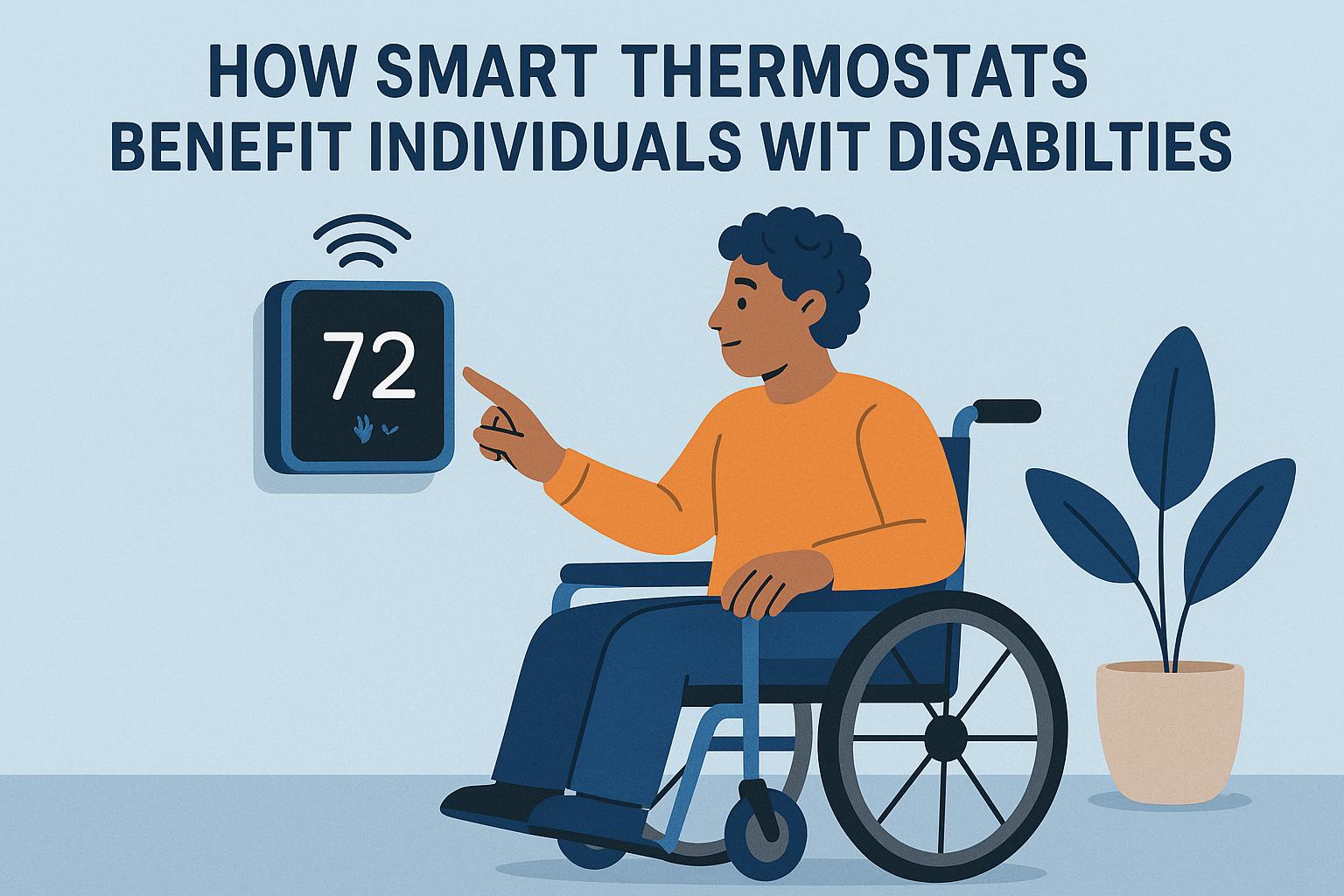
Smart thermostats are at the forefront of the home automation revolution, redefining how users interact with their indoor environments. These devices offer a myriad of benefits across a broad spectrum of users, but their impact is particularly profound for individuals with disabilities. By providing enhanced and intuitive control over home temperature, smart thermostats can play a pivotal role in improving daily life for those with accessibility needs. This examination delves into the various advantages that smart thermostats hold specifically for individuals living with disabilities.
Accessibility Improvements
The incorporation of smart thermostats into residential living environments significantly enhances accessibility for users with disabilities. The ability to interface with these devices through smartphones and voice-activated assistants represents a monumental shift in usability. The ease of controlling thermostat settings via a smartphone app offers a user-friendly interface, which is particularly beneficial for individuals with mobility impairments. These apps are usually designed with accessibility in mind, often featuring large, clear fonts and intuitive navigation systems that cater to varying levels of dexterity and sight.
Integration with systems like Amazon Alexa or Google Assistant expands accessibility further, allowing for hands-free voice commands. This means that individuals with significant physical disabilities can manage their home climate through simple spoken instructions, eliminating the need for physical interaction with the device itself. The adoption of voice activation not only makes the process of adjusting temperature settings effortless but also empowers individuals by enabling them to independently manage their own environment.
Remote Control and Monitoring
An indispensable feature of smart thermostats is their capacity for remote control and monitoring. This functionality is especially advantageous for individuals with disabilities that limit their mobility. Through the use of a smartphone or tablet, users gain the ability to adjust temperature settings without traversing their home, an act that can be physically demanding and exhausting.
In addition to convenience, remote control capabilities promote greater energy efficiency. Traditional thermostats often require pre-set schedules, which may not always align with real-time needs, leading to potential energy wastage. In contrast, smart thermostats allow for instant adjustments based on current circumstances. For instance, if the weather unexpectedly changes and the user is away from home, they can easily adjust the thermostat to save energy until they return. As energy prices continue to rise, the potential savings from such efficiencies are increasingly significant.
Customized Comfort
The ability of smart thermostats to learn and adapt to users’ habits and preferences is another crucial benefit. Through data analysis of user behavior, these devices can tailor the home environment to suit individual needs and preferences. For individuals with disabilities, this personalization is essential. Disabilities may affect how someone experiences temperature changes; for example, some conditions can lead to heightened sensitivity to heat or cold.
By recognizing patterns in temperature preferences, a smart thermostat can automatically adjust settings to maintain an environment that keeps the user comfortable, without the need for constant manual changes. This capability reduces discomfort and stress, contributing to an improved quality of life. Additionally, some smart thermostats come equipped with sensors to detect occupancy and even sleep patterns, allowing for an even more refined adjustment of settings.
Energy Efficiency and Cost Savings
Energy efficiency is a key feature of smart thermostats, offering substantial benefits to all users, but its value is particularly pronounced for those with disabilities. Many individuals with disabilities face financial constraints due to fixed incomes and increased healthcare-related expenses. In such contexts, the capacity to reduce monthly utility bills through optimized energy consumption is invaluable.
Programmable Schedules
One prominent feature facilitating energy efficiency is the option to establish programmable schedules. These schedules allow users to automate temperature modifications based on anticipated daily activities and routines. For instance, during typical working hours, the thermostat can be set to a more energy-saving mode, conserving resources during periods of reduced activity at home. This ensures that energy is not consumed unnecessarily, maximizing cost-effectiveness without sacrificing comfort.
Schedules are easy to configure and can be adjusted with minimal effort, enabling users to adapt settings as their lifestyle or health needs change. This adaptability is crucial, ensuring that energy usage remains aligned with current requirements.
Energy Usage Reports
Smart thermostats frequently provide detailed energy usage reports. These reports furnish users with insights into their energy consumption patterns, revealing when and how energy is predominantly used. For individuals with disabilities, this information can be a valuable resource for identifying specific areas where further savings might be achieved and for tracking overall energy use trends.
By presenting a clear picture of energy consumption via concise reports, users can make informed decisions about energy management. This level of insight encourages proactive adjustments, aligning with both financial and environmental goals.
Conclusion
In summary, smart thermostats offer a host of advantages that resonate deeply with individuals with disabilities, providing enhanced accessibility and customization options that align with specific health and living conditions. Additionally, significant energy and cost savings are achieved through their thoughtful design and responsive technology. As a result, the integration of smart technology into home environments marks a vital progression toward improving the quality of life for individuals with various disabilities. For those looking to implement smart thermostat technology, careful selection based on specific needs and preferences can provide long-term benefits in both personal comfort and financial savings. For further guidance on choosing the right smart thermostat, consider exploring this resource.