Introduction to Wearable Health Monitors
Wearable health monitors, a steadily growing facet of modern technology, play a pivotal role in facilitating independent living, especially for those who prioritize self-care and health management. In recent times, these devices have gained significant traction among various demographics, notably seniors and individuals managing chronic health conditions. The appeal lies in their ability to provide continuous feedback on critical health metrics, empowering users with more control over their well-being. The widespread adoption of these monitors is largely attributed to remarkable advancements in sensor technology, robust data analysis capabilities, and enhanced wireless communication features.
Key Functions of Wearable Health Monitors
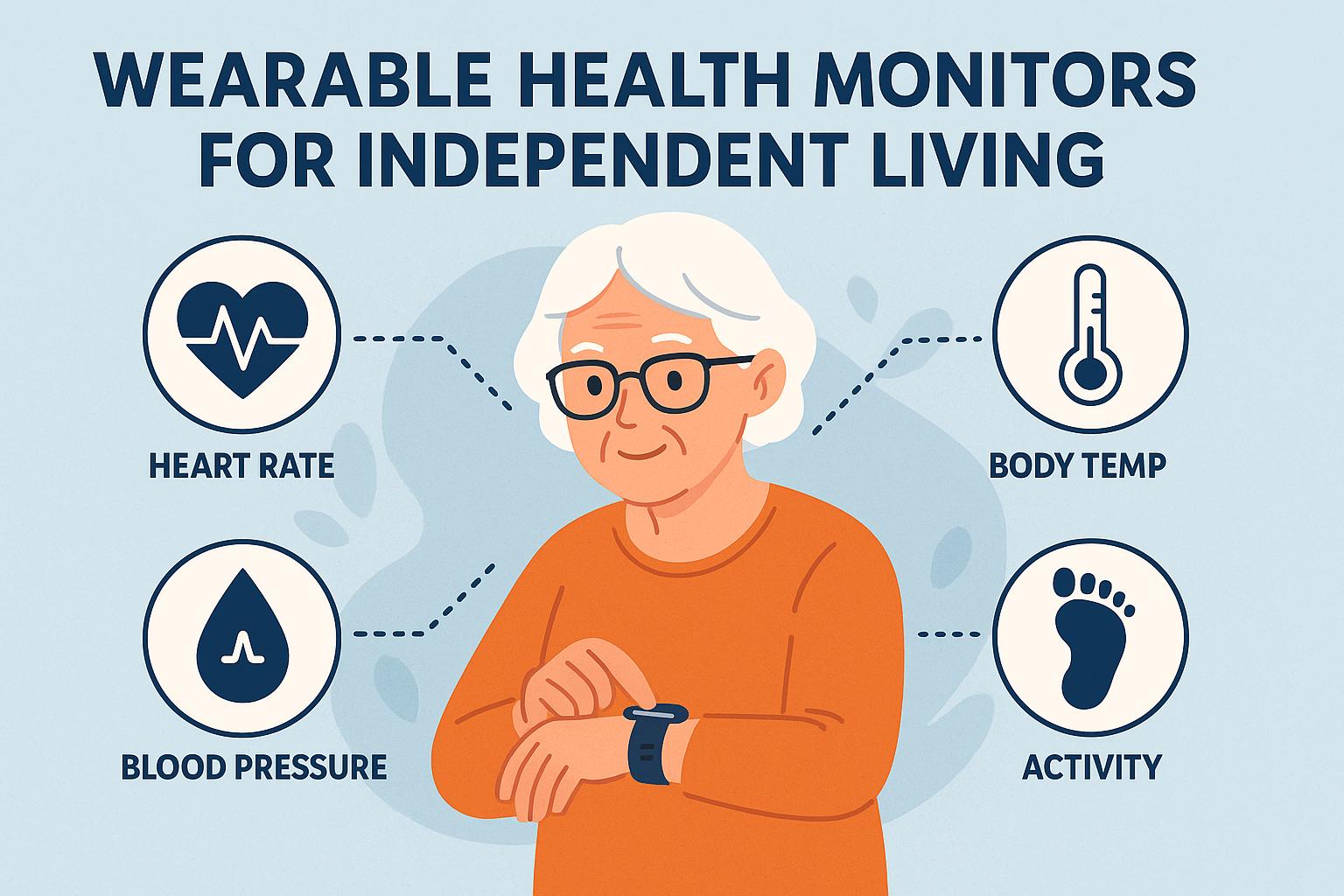
Wearable health monitors are primarily designed to deliver uninterrupted, real-time data that encompasses an array of health parameters. Their core function extends beyond mere data collection; they serve as essential tools that facilitate constant monitoring of one’s health status. For instance, they are capable of tracking heart rate, assessing physical activity levels, and evaluating sleep patterns. This broad scope of functionality offers users a comprehensive view of their health, aiding in preventative care and timely interventions.
Moreover, advanced wearable models have expanded their capabilities to include monitoring of blood oxygen levels, electrocardiogram (ECG) readings, and blood pressure. Such sophisticated functionalities empower users and health professionals alike to make more informed health decisions. The data collected by these devices is typically synchronized with smartphones or computers, facilitating ease of access, analysis, and sharing with healthcare providers. This integration not only aids individual users but also strengthens the communication between patients and healthcare professionals.
Enhancing Independent Living
One of the significant advantages of wearable health monitors is their potential to reinforce independent living, particularly among the elderly. By offering continuous health monitoring, these devices operate as both a tool for vigilance and as a precautionary measure. Wearable monitors provide users with early alerts concerning potential health risks, which can prompt timely action to prevent severe medical incidents or hospitalizations. This feature is crucial for those living independently as it offers reassurance and a sense of security.
Additionally, many wearables incorporate fall detection capabilities. This feature is particularly beneficial for older adults, providing an added layer of protection by detecting falls and notifying caretakers or emergency services when necessary, thus enhancing safety and facilitating timely interventions.
Challenges and Considerations
While wearable health monitors offer numerous benefits, several challenges and considerations must be addressed to optimize their use. Privacy and data security remain key concerns, as these devices handle sensitive health-related information. Ensuring comprehensive encryption protocols and adherence to data protection regulations is of paramount importance to protect users’ personal information.
Furthermore, the accuracy of the data collected by wearable devices may vary from one device to another. Users and healthcare providers need to be cognizant of the potential discrepancies and the limitations inherent in certain devices. It is crucial to select devices that are supported by thorough research and validation to ensure the acquisition of reliable health data.
The Future of Wearable Health Technology
The trajectory of wearable health technology is marked by promising advances, with expectations for continued enhancements in accuracy, functionality, and user-friendliness. Emerging developments in artificial intelligence (AI) and machine learning are anticipated to revolutionize the analysis of health data, facilitating predictive insights and personalized health recommendations. These technological breakthroughs have the potential to elevate the efficacy of health monitoring, offering users more precise and tailored health management solutions.
Moreover, as telehealth services continue to evolve, there is a growing anticipation for seamless integration between wearable devices and professional medical services. This convergence will enable users to access medical expertise more conveniently, reinforcing the role of wearable technology in comprehensive health management and independent living.
Conclusion
In summary, wearable health monitors stand as a significant leap forward in promoting proactive health management and supporting independent living. Through continuous evolution and integration with the broader healthcare ecosystem, these devices offer substantial benefits, empowering individuals to maintain healthier, more autonomous lifestyles. By fostering a direct connection to users’ health pathways, wearable monitors represent a transformative tool in the hands of those seeking to manage their health with modern technology.
For more information on recent advancements in wearable health technology, visit Healthcare Tech News.