Introduction
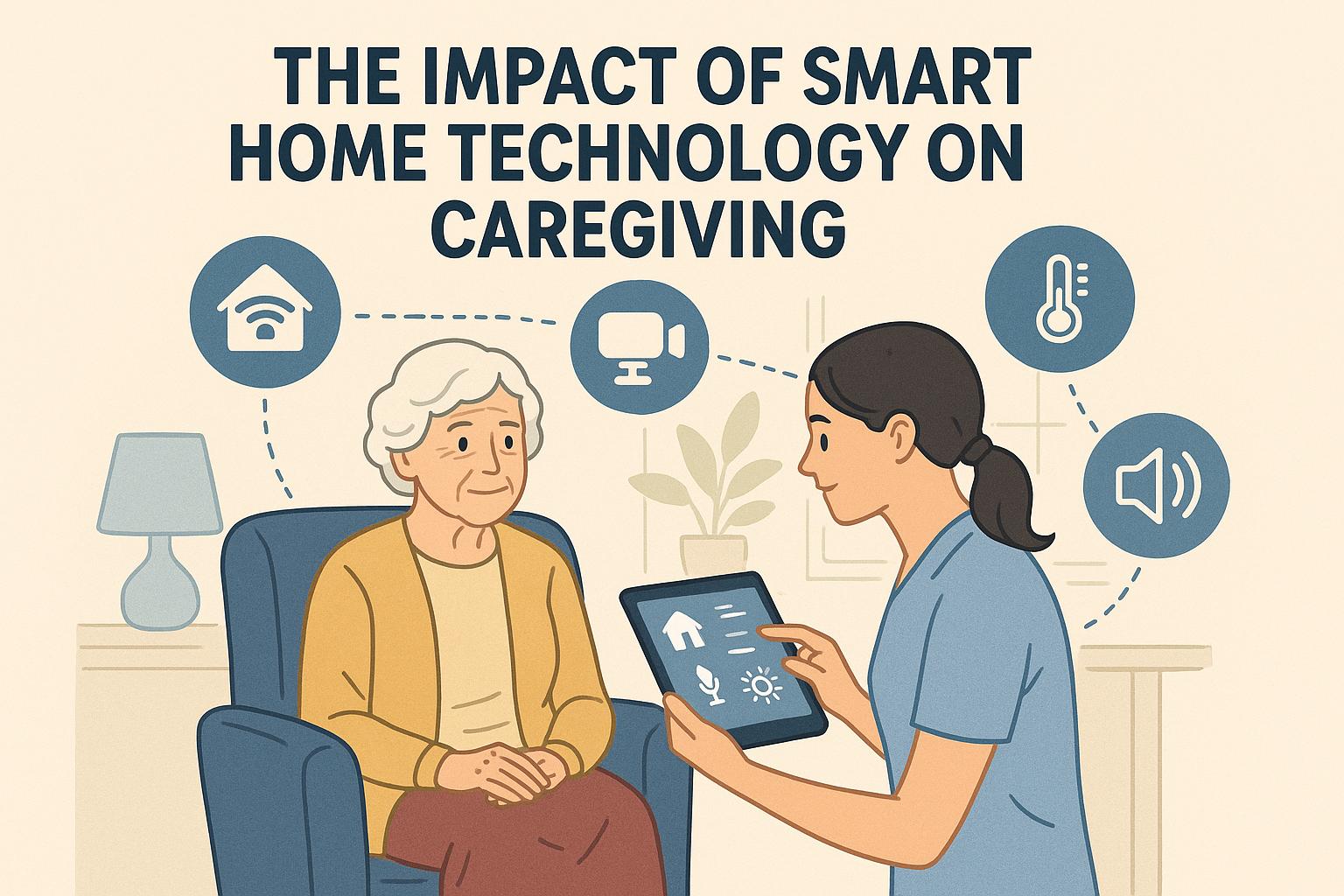
The integration of smart home technology into caregiving has ushered in a new era for the delivery of care to the elderly and individuals with disabilities. Through the introduction of innovative technological devices, not only has convenience been greatly enhanced, but safety, communication, and the overall efficiency of caregiving environments have significantly improved. As we delve deeper into this topic, we will explore various ways in which smart home technology is revolutionizing the field of caregiving. By merging technology with caregiving practices, we see a transformation that addresses many challenges faced by both caregivers and those they assist.
Enhanced Safety and Monitoring
At the forefront of technological benefits in caregiving is the advancement in safety and monitoring. Traditional caregiving methods often faced challenges in ensuring around-the-clock safety for care recipients, especially those living independently. However, with the advent of smart home technology, the dynamics have shifted significantly.
Smart devices, including smart cameras, motion sensors, and door sensors, utilize wireless technology to provide caregivers with real-time surveillance of their patients. These devices offer the ability to monitor movements, detect unusual patterns, and assess the overall wellbeing of individuals in their homes. As a result, caregivers can easily track the safety and health of those under their care, even from a remote location.
Fall Detection and Prevention
Falls are a pressing concern in caregiving scenarios, particularly concerning older adults. They pose a significant risk as they can lead to severe injuries or exacerbate existing health conditions. Smart home technology offers solutions through motion sensors and fall detection systems that are designed to alert caregivers and, if necessary, emergency services, upon detecting a fall. These systems ensure that help arrives quickly, minimizing potential harm and offering a reliable safety net for vulnerable individuals.
Monitoring Health Metrics
The incorporation of smart health devices into home systems marks a progressive step in chronic health management. Devices such as smart scales, blood pressure monitors, and glucose meters continuously gather health data, which caregivers can access remotely. This constant flow of information allows for better management of health conditions, enabling caregivers to take preventive actions and make informed medical decisions. Moreover, consistent health monitoring helps in the early detection of anomalies, potentially preventing severe health crises.
Enhancing Communication
In a caregiving context, communication is vital, especially when caregivers are not physically present. Smart home technology revolutionizes this aspect through the use of advanced communication tools such as video calling devices and digital assistants. These tools provide a method for instant communication between caregivers and patients, ensuring that help and support are just a call away.
Virtual Visits and Check-ins
One key benefit facilitated by smart home technology is the ability to conduct virtual visits through video calling services and smart displays. This feature simulates face-to-face interaction without the need for physical travel, saving time and resources. These virtual check-ins do not replace in-person visits, but instead provide a supplementary form of communication, ensuring that caregivers remain accessible and connected to those in their care.
Medication Reminders and Scheduling
An often challenging aspect of caregiving is managing medication schedules for individuals with multiple prescriptions or memory impairments. Smart home systems provide a solution through automated alerts and reminders, ensuring that medication management is adhered to accurately. By notifying individuals when it is time to take their medication, these systems help prevent missed doses and reduce the risk of complications related to improper medication use.
Independence and Quality of Life
Beyond enhancing safety and communication, smart home technology plays a pivotal role in improving the quality of life and fostering independence among care recipients. Through automation and personalized environmental settings, individuals can retain control over their daily routines and activities.
Environmental Control Systems
Environmental control systems in smart homes allow individuals to manage lighting, climate, and other environmental parameters through simple voice commands or dedicated mobile apps. This capability is particularly beneficial for individuals with limited mobility or physical impairments, as it enables them to modify their living conditions to meet personal comfort and health requirements seamlessly.
Entertainment and Cognitive Engagement
Smart home technology offers access to a variety of entertainment options and cognitive engagement opportunities through smart TVs and speakers. Streaming services, interactive games, and online educational resources provide mental stimulation that supports mental health by enriching daily life and reducing feelings of isolation and loneliness. Engaging in these activities fosters social interaction and cognitive health, contributing positively to the overall wellbeing of care recipients.
Conclusion
The impact of smart home technology on caregiving is wide-ranging and transformative, significantly enhancing safety, improving communication, and promoting independence. As technology continues to evolve and advance, its role within the caregiving space is bound to expand, introducing new methods to support caregivers and improve the lives of individuals in their care. For those seeking a more comprehensive understanding of the latest innovations in smart home technology, further exploration and expert insights can provide valuable knowledge, paving the way for future advancements in caregiving.