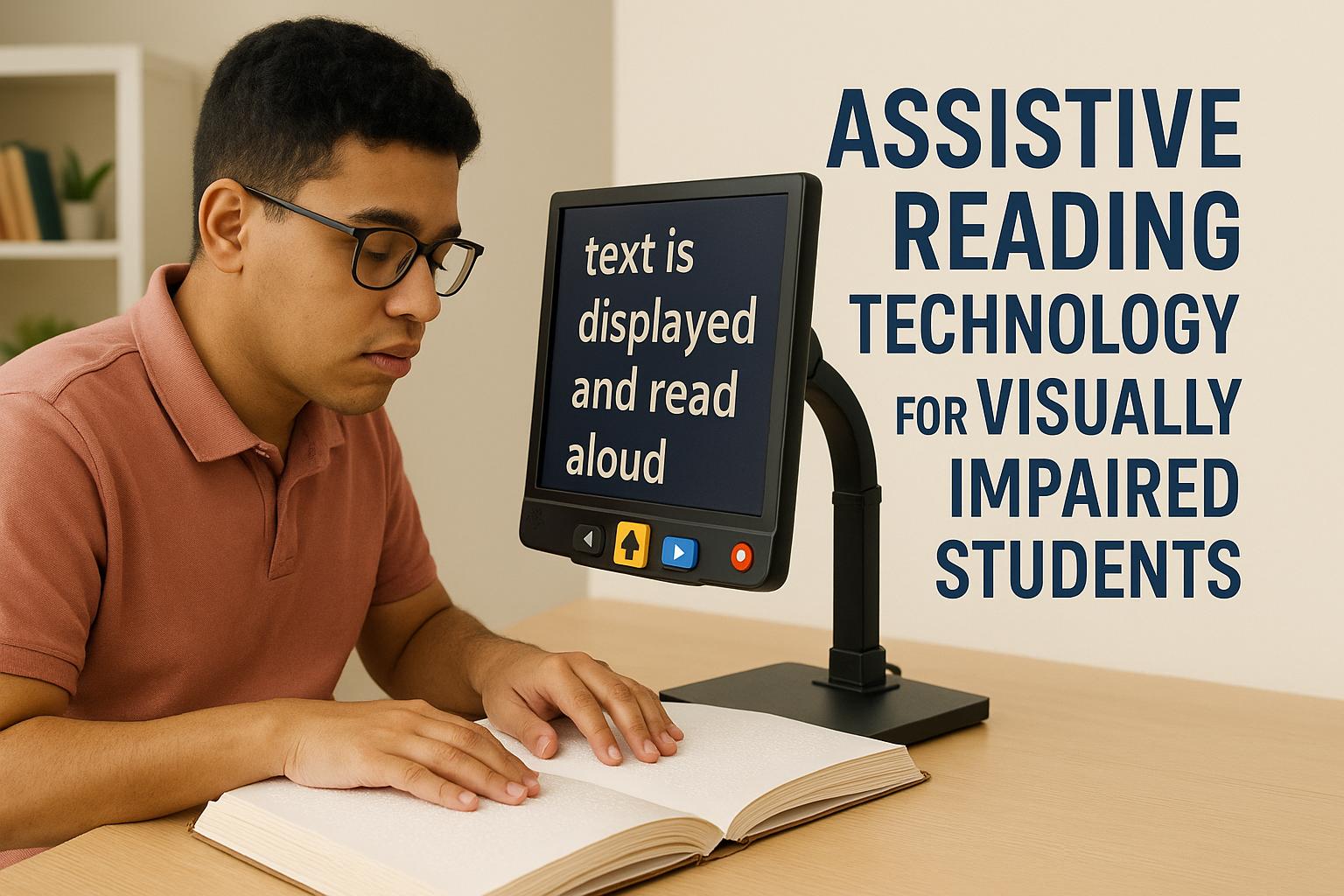
Introduction to Assistive Reading Technology
Assistive reading technology plays a crucial role in enhancing the educational experiences of visually impaired students. With advancements in technology, various tools and devices have been developed to aid students in overcoming challenges associated with reading and accessing educational materials. These tools not only enhance learning but also promote independence, allowing students to participate more fully in academic and social settings.
As technology continues to evolve at a rapid pace, it offers new possibilities and opportunities that were once unimaginable. The development of assistive reading technology is a testament to how these advancements can significantly influence educational progress for all. By exploring these technological solutions, educators and students can forge a pathway towards more inclusive and effective education systems.
Types of Assistive Reading Technology
Several types of assistive reading technologies are available, each with unique features and functionalities. These technologies are designed to cater to the diverse needs of visually impaired individuals.
Screen Readers
Screen readers are essential for visually impaired users wishing to interact with digital text on computers or similar devices. They convert digital text into audio form by utilizing synthesized speech, thereby enabling users to access and interact with text content audibly. Screen readers like JAWS (Job Access With Speech) and NVDA (NonVisual Desktop Access) have become vital for those navigating digital spaces, be it on web pages or in document files. These readers are compatible across various platforms and work seamlessly with most applications used in educational environments.
Optical Character Recognition (OCR)
Optical Character Recognition (OCR) technology is primarily used to convert scanned or printed text into a machine-readable digital format. This feature is particularly beneficial for students needing to access information from textbooks or printed articles. Once digitized, the text can be interpreted and verbalized by screen readers or other text-to-speech software, making OCR an invaluable tool in academia.
For students dealing with vast amounts of printed material, OCR technology can significantly reduce the time spent manually converting text, thus providing more time to focus on comprehension and analysis. The digitization of text also aids in storing and organizing information for later use, enhancing study efficiency.
Refreshable Braille Displays
Refreshable braille displays serve as an electronic interface that converts digital text into braille. This technology enables braille users to read text through tactile feedback. By interpreting digital content into braille, these displays offer a real-time translation of on-screen information, which is crucial for users who are proficient in braille reading.
These devices directly connect to computers, smartphones, or tablets and continuously update the braille characters as users navigate through pages of information. For braille readers, these displays maintain the tactile feedback crucial to their understanding, providing a more nuanced and rich reading experience.
Audio Books and E-books
Audio books and e-books represent two accessible reading formats that have made literature and academic content more inclusive. Audio books provide narrated content, which can be accessed by anyone, but is especially important to those unable to visually consume text. E-books, on the other hand, are digital book formats that can be read using different assistive technologies such as screen readers.
Organizations such as Bookshare and Learning Ally provide platforms where visually impaired students can access a voluminous collection of texts spanning various genres and subjects. By offering materials in audio, digital, and large-print formats, these services enable users to choose the format that best suits their learning style and preferences.
Benefits of Assistive Reading Technology
The integration of assistive reading technologies in educational settings brings several pronounced benefits. These technologies empower students by offering greater autonomy in accessing course materials, thereby leveling the playing field with their sighted peers. Moreover, they cater to diverse learning styles by providing multiple ways to engage with content. As a result, students are more likely to succeed academically and gain confidence in their abilities.
Enhanced Accessibility
Assistive technologies facilitate access to vast amounts of information and learning resources that were previously inaccessible to visually impaired students. This increased accessibility assures a more inclusive educational environment where students are afforded the same opportunities to learn and excel. By bridging the gap between different accessibility needs, educational institutions foster an environment that values diversity and inclusivity.
Promoting Independence
By utilizing these technologies, students can independently navigate their educational journey. Independence in accessing materials substantially reduces the need for assistance from others, fostering a sense of self-reliance and confidence. Independence in learning also instills a sense of competence and achievement, encouraging students to explore new learning avenues and embrace lifelong learning.
Improved Academic Performance
With easier access to reading materials, visually impaired students can participate more fully in class discussions and complete assignments more efficiently. This access enables them to achieve academic success comparable to their peers. Assisted by technology, students can spend more time engaging with the material rather than focusing on the logistics of access. As academic performance improves, so does confidence and engagement with coursework, providing momentum for further achievements.
Facilitating Diverse Learning Styles
Assistive technologies address varied learning preferences, allowing students to choose the format that best facilitates their comprehension and retention. Whether a student prefers auditory, tactile, or digital interaction, these technologies can adapt to provide suitable reading experiences. By having the flexibility to tailor learning according to individual needs, students can optimize their educational experiences according to personal learning preferences.
Conclusion
Assistive reading technology is a powerful tool in bridging the educational gap for visually impaired students. As technology continues to evolve, it promises even greater access and opportunities, empowering students to realize their full potential. Educators and institutions must continue to integrate these technologies into their curricula to ensure that all students have the opportunity to succeed.
The ultimate goal of education, inclusivity, and equitable access remains an achievable target through the diligent application and integration of assistive reading technology. By fostering an environment that consistently prioritizes adaptive learning methods, the educational landscape becomes a welcoming space for all students, encouraging a collective pursuit of knowledge and personal growth.