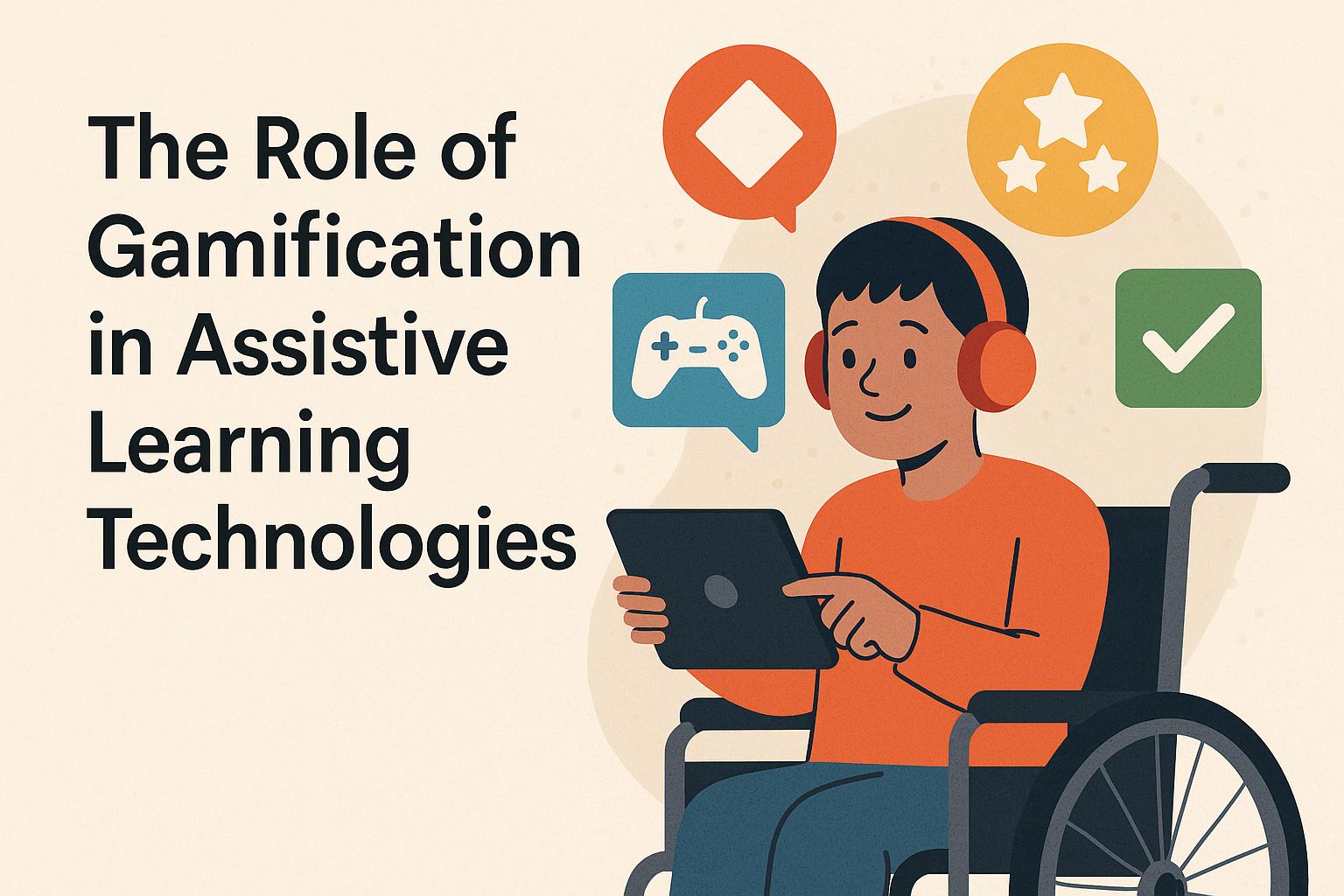
The Integration of Gamification in Assistive Learning Technologies
The utilization of gamification in assistive learning technologies is a growing trend aimed at enhancing educational experiences for individuals with varying needs. By integrating game-like elements into learning environments, educators and developers are finding new ways to motivate, engage, and support learners. This article explores how gamification is currently being leveraged to improve assistive educational tools.
Understanding Assistive Learning Technologies
Assistive learning technologies are designed to help students with disabilities or learning challenges learn more effectively. These technologies span a wide range of tools, including speech-to-text applications, text-to-speech software, and interactive multimedia platforms. The aim is to create an inclusive learning environment that acknowledges the diverse needs of all students, providing them with the necessary support to achieve their educational goals.
What is Gamification?
Gamification refers to the application of game-design elements and principles in non-game contexts. It taps into the natural desires for competition, achievement, and status. While gamification has been widely used in marketing and business, its application in education is particularly promising, especially when integrated into assistive learning technologies. Gamification in education focuses on creating immersive experiences that captivate learners’ attention, encouraging them to engage more deeply with the content.
Key Elements of Gamification
Some of the critical elements of gamification include:
- Points and Badges: These provide a sense of achievement and progress through tangible rewards. As students complete various tasks or reach specific milestones, they receive points or badges that signify their accomplishments.
- Leaderboards: By displaying rankings, leaderboards encourage competitive and cooperative interactions among students, fostering a dynamic learning environment. They motivate learners to improve their performance, either by surpassing personal records or by striving to top the charts.
- Challenges and Quests: These are designed to increase engagement by presenting users with tasks that require problem-solving and critical thinking. Challenges often mimic real-world scenarios, prompting students to apply theoretical knowledge to practical situations.
- Immediate Feedback: This helps learners understand their progress and areas that need improvement. Providing instant feedback keeps students informed about their learning journey, allowing them to adjust their strategies in real-time.
Benefits of Gamification in Assistive Technologies
Gamification offers numerous benefits when integrated into assistive technologies, making learning more effective and enjoyable.
Enhanced Engagement: The incorporation of game-like features makes learning more engaging, encouraging consistent participation among students. Gamified systems transform traditional educational activities into interactive experiences that hold learners’ attention for longer periods.
Personalized Learning Experience: Gamification can be tailored to address individual learning needs and preferences, offering a personalized path through educational content. Adaptive algorithms can analyze a student’s progress and adjust the difficulty and type of content accordingly, ensuring that the learning experience remains both challenging and attainable.
Motivation and Reward: By incorporating reward systems, students remain motivated to continue participating and achieve their educational goals. Rewards serve as positive reinforcement, encouraging students to persist through difficulties and celebrate their successes.
Implementation Strategies
Developers and educators should consider several strategies when incorporating gamification into assistive learning technologies. The key is to ensure that gamified elements are thoughtfully integrated to reinforce educational objectives rather than distract from them.
Design with Accessibility in Mind
When designing gamified learning experiences, it is crucial to ensure that all features are accessible to students with disabilities. This may include using adaptive design techniques or providing multiple ways to interact with gamified content. Accessibility should include not only the physical design of the software but also its cognitive accessibility, ensuring that students with various types of learning challenges can benefit.
Fostering Collaboration
Team-based activities and collaborative challenges can leverage the strengths of diverse learners. By promoting cooperation, gamified environments can create a sense of community and support among students. Collaborative tasks help foster communication skills, encouraging students to express their ideas clearly and listen to their peers, leading to a more cohesive learning experience.
Providing Real-World Context
Integrating real-world scenarios into gamified learning helps students apply what they’ve learned in meaningful ways. This can be particularly beneficial in assistive learning technologies, where practical applications reinforce skills and knowledge. Real-world contexts make learning more relevant and memorable, as students understand how their new skills can translate to real-life situations.
Gamification also aligns well with experiential learning, where students learn through reflection and active participation rather than passive listening. Whether through simulations, role-plays, or interactive experiments, students gain firsthand experience of theoretical concepts, empowering them with capabilities and competencies that extend beyond standard educational paradigms.
The Role of Feedback and Progression in Learning
Feedback plays a crucial role in the learning process, particularly in gamified environments. By offering immediate and constructive feedback, educators can guide students through their learning journey, helping them identify strengths and areas for improvement. Progression markers, such as levels or badges, provide visual indicators of a student’s advancement, showing them tangible evidence of their accomplishments and growth over time.
A well-designed feedback system fosters a positive learning atmosphere, where students feel supported and encouraged to take on new challenges. Moreover, the emphasis on progression encourages a growth mindset, as students recognize that effort and persistence can lead to improvement and mastery.
In conclusion, gamification holds significant potential to enhance assistive learning technologies. By thoughtfully integrating game-based elements into educational tools, educators can support and engage students with diverse needs, leading to more meaningful and effective learning experiences. Through careful design and implementation, gamification can transform the educational landscape, making learning more accessible, engaging, and rewarding for all students.