Introduction to Automated Lighting Systems
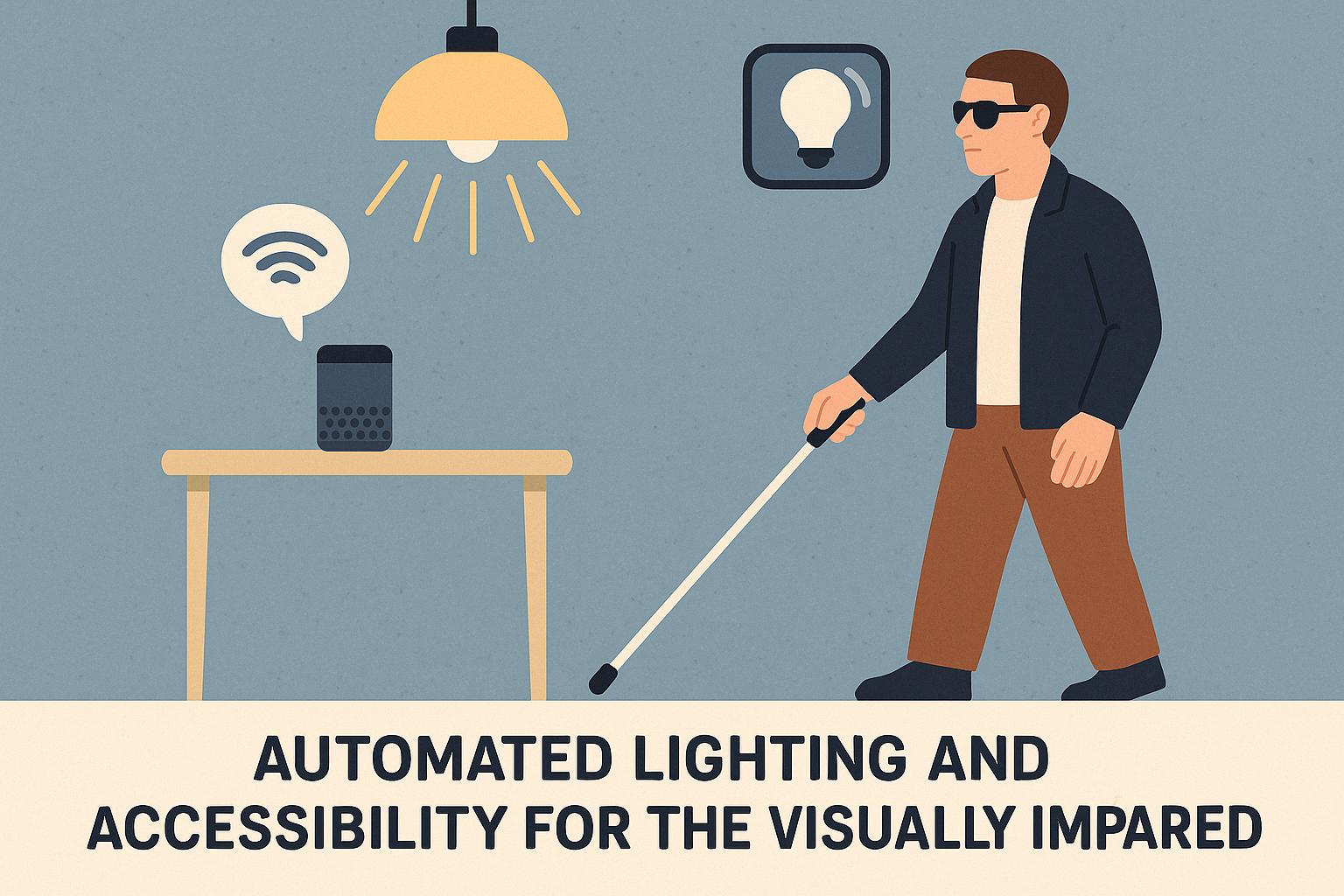
Automated lighting systems have become an integral part of smart home innovations, offering both convenience and energy efficiency. These systems rely on sensors and programmable timers to adjust lighting based on the presence of individuals, time of day, or ambient light conditions. The development of these technologies is particularly beneficial for enhancing the accessibility of environments for visually impaired individuals.
Automated lighting systems provide a modern solution that adapts to human presence and environmental factors, contributing to a more responsive and efficient lighting arrangement. This technology is part of a broader trend toward smart homes, where interconnected devices operate seamlessly to maximize comfort and sustainability.
Challenges Faced by the Visually Impaired
Visually impaired individuals often face significant obstacles in navigating spaces that are inadequately lit or poorly designed. Traditional lighting systems do not account for individual needs, making it challenging for these individuals to move safely and efficiently. For these individuals, the lack of adequate lighting can pose safety risks and restrict their independence. Automated lighting systems can bridge this gap by providing adaptive solutions that cater specifically to their needs.
For a visually impaired person, even a simple task like walking from one room to another can involve multiple challenges if the area is not well-lit. Objects can appear indistinct or indistinguishable, increasing the likelihood of accidents or confusion. Automated lighting can mitigate these risks by delivering instant illumination and appropriate brightness levels, thus reducing obstacles and enhancing spatial awareness.
Adaptive Lighting Features
Automated systems can be equipped with motion sensors and controlled illumination levels to provide adequate lighting when needed. These features can help in a few ways:
Motion Detection: By employing motion sensors, lights can automatically turn on when someone enters a room, ensuring that the space is illuminated without manual intervention. This is especially useful during nighttime or in low-visibility areas. Motion detection ensures that lighting is only active when needed, thereby conserving energy and providing light precisely when and where it is required.
Variable Illumination: Automated systems can adjust the intensity of lighting based on the time of day or specific user requirements. This feature is crucial for visually impaired individuals who might require different lighting levels. Some might need brighter light during the day, while others need softer, ambient lighting in the evenings. These systems allow personalization of lighting conditions, which can be a significant help for those with specific vision requirements. Such adjustments in light intensity can prevent eye strain and contribute to a more comfortable living environment.
Integration with Assistive Technologies
With advancements in technology, automated lighting systems can be integrated with other assistive devices. For instance, these systems can work alongside voice-controlled platforms like Amazon Alexa or Google Assistant. This integration allows users to control lighting using voice commands, providing an additional layer of accessibility. The user-friendly aspect of voice controls makes it simpler for visually impaired individuals to manage their lighting without the need for physical interaction with switches or remote controls.
Moreover, integration into a larger smart home ecosystem means that lighting systems can be programmed to work in tandem with other automated systems—such as heating, security, or entertainment systems—synchronizing all aspects of home environment management for seamless user experiences. As the Internet of Things (IoT) continues to evolve, these integrated systems promise to enhance the degree of control users have over their home environments, further improving the quality of life.
Economic Benefits
Not only do these systems improve accessibility, but they also present economic advantages. By optimizing energy use, automated lighting systems can reduce electricity costs. Energy savings come from intelligent light management and ensuring lights are only active when needed, contributing to reduced energy consumption over time. Additionally, they can decrease the need for maintenance due to their longevity and efficiency.
The durability of LED lights, commonly used in automated systems, surpasses traditional incandescent or fluorescent lighting, thus reducing replacement costs and waste. Overall, the economic benefits of automated lighting systems extend beyond mere energy savings, encompassing lower operational costs and a reduced environmental footprint.
Conclusion
Incorporating automated lighting systems into the infrastructure for visually impaired individuals represents a significant step forward in promoting independence and safety. This technological integration is reshaping living spaces, making them more adaptive and user-friendly. As technology progresses, it is likely that these systems will continue to evolve, offering even more tailored solutions to meet the diverse needs of the visually impaired community.
Continued innovation in this field could eventually deliver even more sophisticated systems capable of accommodating an array of preferences and requirements, thereby ensuring that accessible lighting remains at the forefront of home automation. The potential for these systems to evolve and integrate further with emerging technologies offers exciting prospects for creating inclusive environments for all individuals.