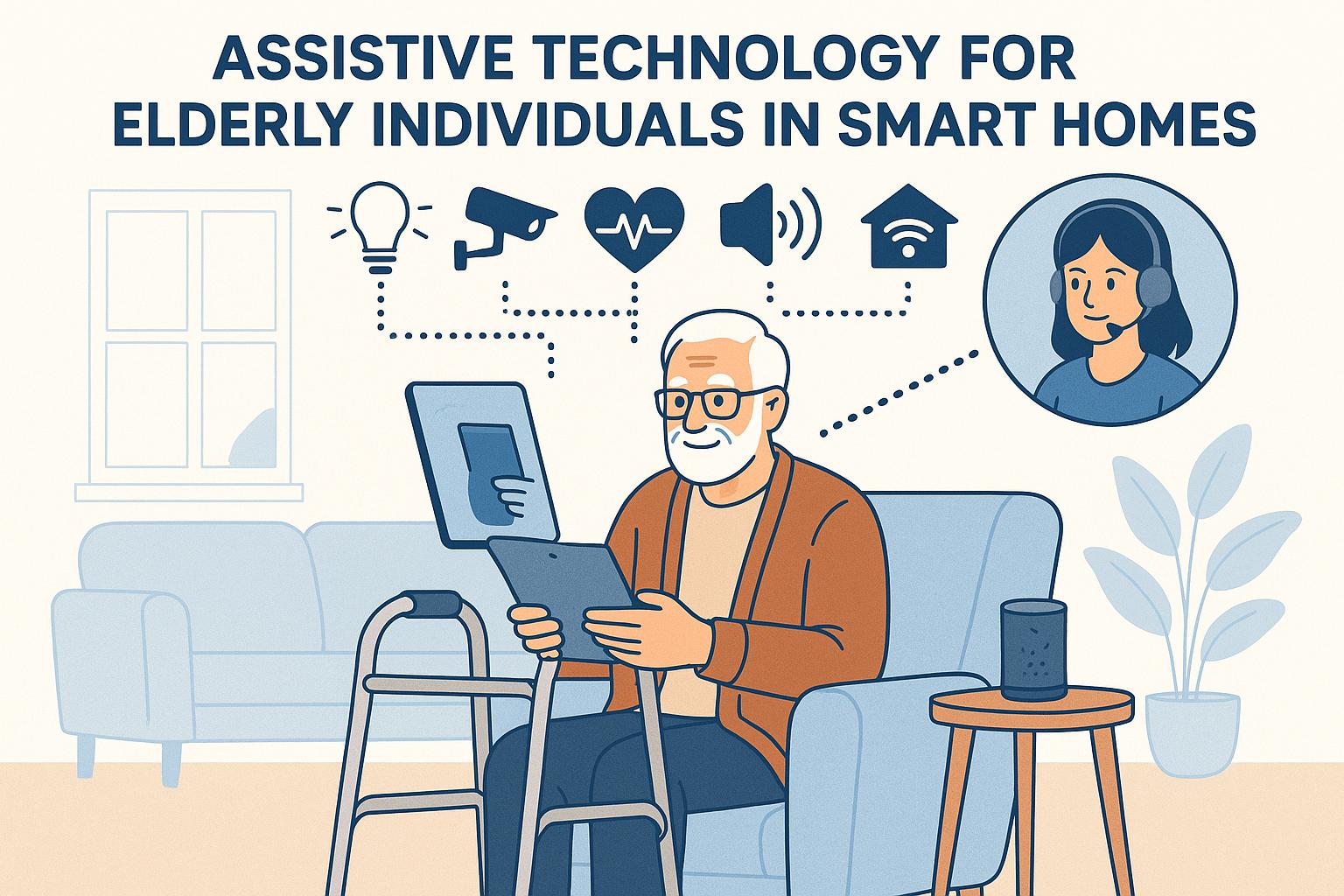
Introduction to Assistive Technology in Smart Homes
As the global population ages, the demand for innovative solutions to support elderly individuals continues to grow. Smart homes equipped with assistive technology are at the forefront of ensuring safety, comfort, and independence for the elderly. These technologies not only enhance the quality of life for seniors but also provide peace of mind to their families and caregivers.
Understanding Assistive Technology
Assistive technology refers to devices or systems designed to assist individuals with disabilities or age-related limitations. In the context of smart homes, these technologies aim to facilitate daily activities, improve safety, and promote independent living. From advanced monitoring systems to voice-activated assistants, assistive technologies are integral in creating a supportive environment for the elderly.
Types of Assistive Technologies in Smart Homes
The integration of assistive technology in smart homes is diverse and continually evolving. Below are some key implementations:
1. Health Monitoring Systems
Smart homes often include health monitoring systems that track vital signs, detect falls, and provide reminders for medication. These systems use sensors and connected devices to monitor health metrics, ensuring timely medical intervention when needed.
2. Automated Lighting and Environmental Controls
Automated lighting and environmental controls can adjust lighting, temperature, and even window shades based on the time of day and presence of individuals in a room. This enhances safety and convenience by reducing the need for manual adjustments.
3. Smart Appliances
Connected kitchen appliances, such as smart refrigerators and ovens, can help elderly individuals manage cooking tasks with more ease and safety. For example, these appliances can provide alerts when food is ready or if a fridge door has been left open.
4. Voice-Activated Assistants
Voice-activated assistants like Amazon’s Alexa or Google Home allow users to control devices, set reminders, or seek information hands-free. These tools can significantly aid elderly individuals with limited mobility or dexterity.
Benefits of Assistive Technology in Smart Homes
The integration of assistive technology into smart homes offers numerous benefits beyond the primary aim of supporting elderly residents. Some advantages include:
Safety and Security: Smart home technology often includes security cameras, motion sensors, and alarm systems that contribute to a safer living environment.
Increased Independence: By automating routine tasks, seniors can maintain their independence while reducing the reliance on caregivers.
Improved Communication: Many assistive technologies facilitate communication between the elderly and their family members, providing an additional layer of social support.
Challenges and Considerations
While the potential of assistive technology in smart homes is vast, several challenges and considerations need to be addressed:
Technology Adoption: Seniors may face difficulties in adopting new technologies due to a lack of familiarity or reluctance to change.
Privacy Concerns: The continuous monitoring and data collection inherent in smart home systems can raise privacy issues, necessitating transparent data usage policies.
Cost and Accessibility: The implementation of smart home technologies can be costly, which may limit accessibility for some individuals or communities.
1. Customized User Experience
One of the main attractions of assistive technology in smart homes is its ability to be customized to meet the specific needs of its users. With advancements in artificial intelligence and machine learning, devices can learn the habits and preferences of individuals, thus offering a personalized experience. For instance, voice-activated assistants can recognize the voice commands of the user, making interactions smoother and more intuitive.
2. Remote Monitoring and Telecare
Assistive technologies also support remote monitoring and telecare services, allowing healthcare professionals to keep an eye on seniors remotely. This capability is particularly beneficial for those who live alone. Family members can also receive notifications about the well-being of their loved ones, which can alleviate stress and provide reassurance. Additionally, telecare systems can offer instant connectivity to medical personnel in case of emergencies.
3. Smart Mobility Assistance
Smart mobility solutions can include electric scooters and wheelchairs equipped with navigation systems and obstacle detectors. Smart homes may feature automated lifts and elevators designed to help individuals with limited mobility move easily between floors, enhancing the accessibility of living spaces.
4. Nutritional and Dietary Assistance
Certain smart kitchen devices can offer dietary suggestions and food preparation tips, tailored to meet specific health requirements. These appliances can integrate with health monitoring systems to recommend meals based on nutritional deficits or health conditions, contributing positively to the overall health and wellness of individuals.
Technological Innovations and Future Outlook
As technology continues to advance, the horizon for assistive technology in smart homes seems vast. Innovators are tirelessly working to develop more efficient, user-friendly, and cost-effective solutions. Some of the technologies currently being explored include:
1. Sensor-rich Environments
The idea of embedding sensors throughout the home to create a connected living space is gaining popularity. These sensors can gather valuable data on user movements, habits, and potential hazards, thus offering preventative insights. For example, they may predict falls by analyzing gait patterns and alert residents or caregivers in advance.
2. Enhanced Machine Learning Algorithms
The development of sophisticated algorithms will allow devices to learn and predict user needs even more accurately. This includes anticipating necessities such as meal preparation times or preferred room temperatures before the resident makes a request.
3. Blockchain for Enhanced Privacy
With increasing privacy concerns, blockchain technology may provide transparent and secure means of controlling and accessing collected data. This could revolutionize data security in smart homes, ensuring that personal information remains confidential yet accessible to authorized parties.
Conclusion
Assistive technology in smart homes presents a promising pathway to enhancing the lives of elderly individuals. As technology continues to advance, the potential for even more tailored and effective solutions will likely increase, offering a smarter, safer, and more independent living experience for seniors. It is essential to address existing challenges to maximize the benefits these technologies can provide.
Further Reading
For more information on the impact of smart homes and assistive technology, consider exploring resources and publications from organizations specializing in technology for aging populations.