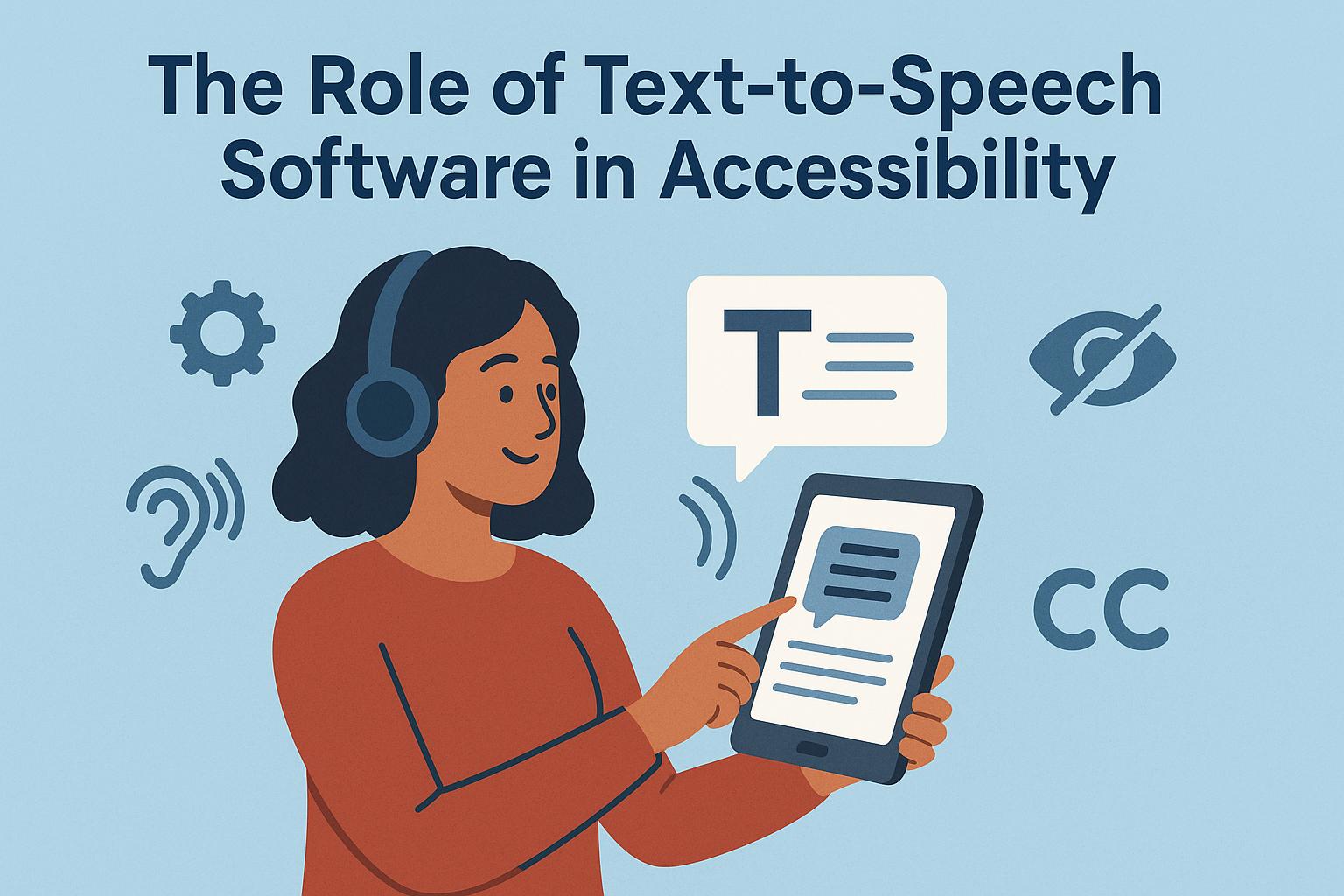
The Importance of Text-to-Speech Software in Accessibility
Text-to-speech (TTS) software is a critical technology in making digital content accessible to individuals who have difficulty reading text on screens. This technology converts written text into synthesized speech, enabling various user groups to access information efficiently.
Enhanced Accessibility for the Visually Impaired
One of the primary beneficiaries of TTS software is individuals who are visually impaired or blind. By converting text into speech, TTS software allows these users to consume written content effortlessly. Various screen reader programs, which utilize TTS technology, are designed to interpret digital text and present it audibly. This capability is vital for accessing emails, websites, documents, and educational materials.
Visually impaired individuals often face challenges in accessing printed or digital content due to the visual barriers. TTS software bridges this gap by providing a seamless way to interpret written text through auditory means. Programs that incorporate TTS technology are constantly evolving, offering more natural-sounding voices and greater language support. Improvements in voice synthesis mean that users can enjoy a more engaging listening experience, which is crucial for both personal enjoyment and educational purposes.
The independence gained from using TTS solutions cannot be overstated. Users are empowered to engage with digital content without the assistance of others, fostering a sense of autonomy. TTS software is now available on various devices, from computers and smartphones to dedicated e-readers, which ensures that users have access to this technology wherever they go.
Facilitating Learning for Individuals with Dyslexia
TTS software also plays a significant role in supporting individuals with learning disabilities like dyslexia. The technology helps these individuals by allowing them to hear the text, thereby bypassing the challenges they face with decoding written language. By listening alongside reading, users can improve their comprehension and retention of the material. For more information on technologies assisting those with dyslexia, visit Understood.org.
Dyslexia is a common learning difficulty that affects reading and writing skills, and it often entails difficulties with memory retention involving language tasks. TTS tools provide an alternative method of consuming content, ensuring that individuals with dyslexia do not lag behind in educational settings. Many educational platforms now integrate TTS features to create an inclusive learning environment where every student can thrive.
Furthermore, TTS software can be fine-tuned to meet individual needs, offering controls for voice speed, pitch, and volume, which can aid in enhancing clarity and reducing distraction for the listener. Such customization options ensure that the experience is as beneficial and effective as possible.
Supporting Multitasking and Cognitive Load Reduction
Another valuable aspect of TTS software is its ability to support multitasking. Users can listen to content while performing other activities, thus optimizing their time. Additionally, TTS can reduce cognitive load by presenting information in an auditory format, which can be particularly advantageous when dealing with complex texts or large volumes of information.
In today’s fast-paced world, the ability to multitask efficiently is highly valued. TTS technology enables users to carry out tasks like commuting, exercising, or household chores while simultaneously staying updated with the latest news, articles, or emails. This ability to absorb information without having to focus visually on a screen allows for a more productive engagement with content.
Cognitive load refers to the amount of mental effort being used in the working memory. Switching between reading and listening can alleviate the strain on visual processing and reduce mental fatigue. For professionals who need to parse through volumes of reports or students engaging with dense academic materials, TTS offers a way to distribute cognitive resources more effectively, allowing for better information processing and retention.
Improved Accessibility in Language Learning
Language learners also benefit from TTS technology. The ability to listen to text in a target language aids in better pronunciation and understanding of the intonation and rhythm of the language, making it an effective tool for both novices and advanced learners. Websites and language learning platforms often incorporate TTS to enhance their educational offerings.
The incorporation of TTS in language learning allows learners to hear correct pronunciations and practice their speaking skills by mimicking native speakers. This auditory learning technique can help students distinguish subtle phonetic differences and improve their listening skills, which are crucial in achieving fluency. Many language learning apps now offer TTS functionalities as part of their curriculum, promoting an integrated learning experience that combines visual and auditory inputs.
In conclusion, text-to-speech software is a pivotal technology that fosters inclusivity and accessibility across various user needs. Its applications range from aiding individuals with disabilities to facilitating language learning and enabling effective multitasking. As technology continues to evolve, TTS will likely expand its capabilities, further enhancing accessibility and user experience.
The adoption of TTS software across different domains has the potential to dramatically enhance communication and learning strategies. With ongoing advancements in artificial intelligence and natural language processing, future iterations of TTS software are expected to offer even more lifelike interactions, supporting a broader range of languages and dialects. Moreover, the integration of TTS features in mainstream digital software and devices indicates a growing acknowledgment of its importance and a commitment to accessibility.
Ultimately, the continuing development and implementation of TTS technology confirm its role as an indispensable tool in the digital age, providing users with flexible and accessible options for content consumption, learning, and interaction with technology.