The Basics of Eye-Tracking Technology
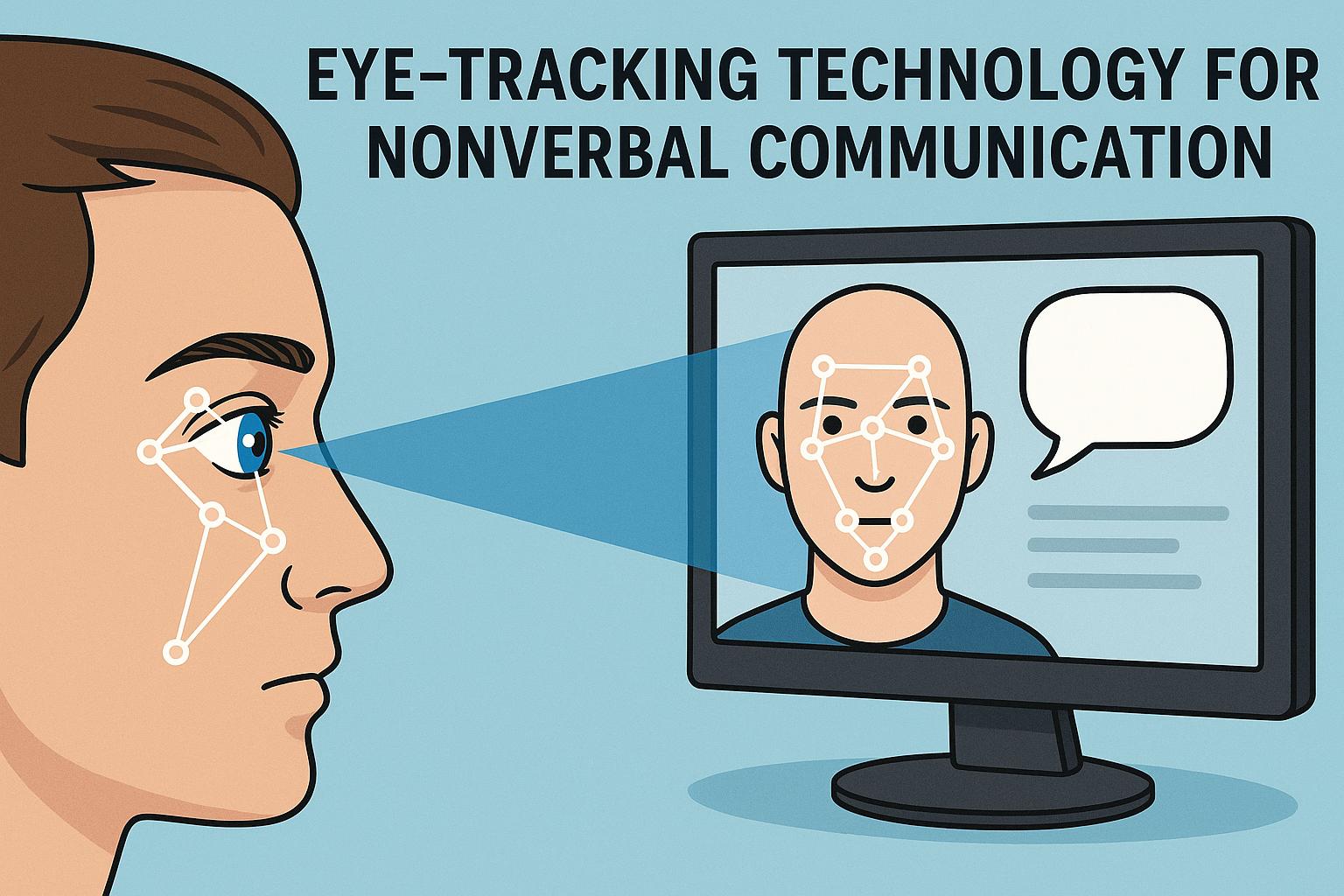
Eye-tracking technology involves the sophisticated measurement and analysis of eye activity, specifically pinpointing where a person is directing their gaze and understanding the patterns of eye movement. This technology employs sensors designed to precisely estimate the position and motion of the eyes, allowing it to be integrated into a diverse range of devices, from advanced and specialized eye-tracking equipment to mainstream consumer electronics such as smartphones and laptops.
Components of Eye-Tracking Systems
Fundamentally, eye-tracking systems are composed of three main elements: a camera, an infrared light source, and a set of software algorithms. The operational mechanism involves the camera capturing reflections from the eyes that result from the infrared light. These reflections are then meticulously analyzed by the software to determine eye positions and movements. Through this process, it becomes feasible to interpret focus areas and assess visual attention comprehensively.
Applications in Nonverbal Communication
A paramount application of eye-tracking technology is within the realm of nonverbal communication. The analysis of eye movement patterns can lead to inferences about emotional states and underlying cognitive processes. This technology proves to be especially valuable in contexts where conventional verbal communication is impractical or constrained.
Enhancing Communication for Individuals with Disabilities
Within this domain, eye-tracking technology offers groundbreaking communication possibilities for individuals who have disabilities, particularly those experiencing speech or physical impediments. Through eye-tracking, these individuals can engage in effective communication by selecting characters or executing commands using just their gaze. This capability is vividly illustrated in assistive devices that empower users to interface with computers merely by using eye movement, significantly augmenting their ability to convey thoughts and emotions.
Benefits in Marketing and Consumer Research
In the commercial arena, eye-tracking technology is strategically employed to dissect consumer behavior. By examining where a consumer looks and the duration of their gaze on a particular product or advertisement, businesses are able to derive profound insights into consumer preferences and assess the efficacy of their marketing strategies. These insights equip companies with the knowledge needed to optimize both their digital and physical marketing initiatives.
Advancements in Education
The field of education is witnessing the leverage of eye-tracking technology to gain a deeper understanding of how students interact with instructional materials. Educators can use eye-tracking data to refine their teaching methodologies to cater to the broad spectrum of learning needs present in a diverse student population. Furthermore, by identifying specific learning challenges through eye-tracking, educators can execute timely and precise interventions tailored to assist individual learners.
Challenges and Ethical Considerations
Despite the numerous advantages presented by eye-tracking technology, several challenges and ethical considerations emerge in parallel. Privacy issues are at the forefront, as the data gleaned from eye-tracking is profoundly personal and could disclose sensitive insights about an individual’s intentions and emotional landscape. It is imperative for entities leveraging this technology to adhere stringently to ethical standards, safeguarding user privacy by actively securing and maintaining informed consent.
For a comprehensive understanding of the ethical considerations surrounding eye-tracking technology, it is recommended to explore this resource.
Conclusion
The transformative potential of eye-tracking technology in augmenting nonverbal communication is evident across a multitude of sectors. Its capability to generate profound insights into human behavior, facilitate communication for those with disabilities, and drive consumer research is truly remarkable. Nevertheless, as this technology continues to evolve, it becomes increasingly crucial to address associated ethical concerns diligently to ensure the protection of user privacy and uphold individual rights.