Introduction to AI-Powered Smart Homes
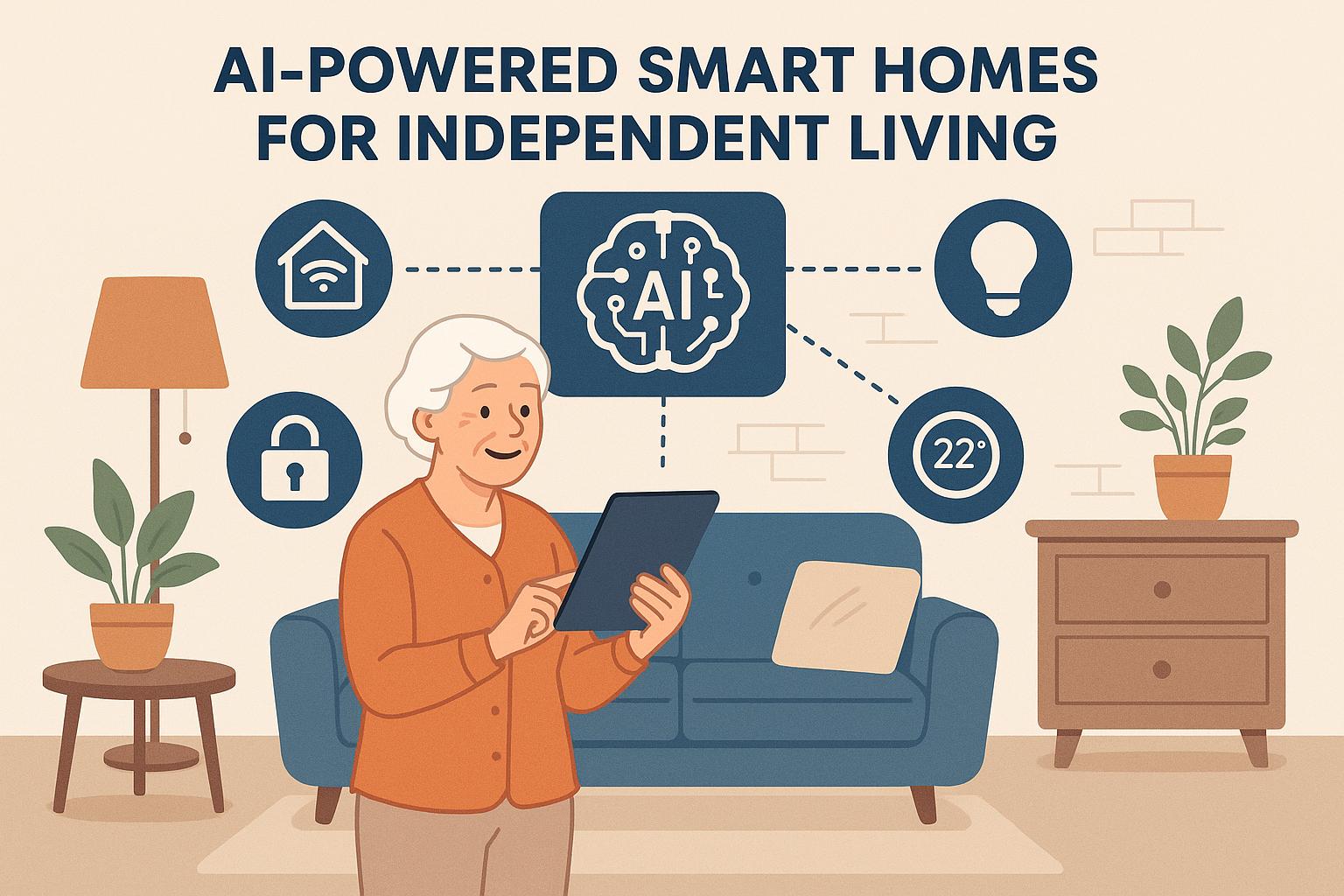
Artificial Intelligence (AI) is transforming various sectors, including the concept of smart homes. AI-powered smart homes offer numerous features that support independent living, especially for the elderly and individuals with disabilities. These homes utilize advanced technologies to provide convenience, safety, and efficiency.
Core Components of AI-Powered Smart Homes
AI-powered smart homes incorporate several key components to enhance living conditions. These elements work in concert to facilitate an autonomous living environment.
Connected Devices: Smart homes employ a network of connected devices, including sensors, cameras, and voice assistants, to monitor and control various home functions. These devices interact with each other to optimize the home environment. For instance, sensors can detect when a room is occupied and adjust lighting and temperature settings automatically, ensuring that energy is not wasted and the environment remains comfortable.
Machine Learning Algorithms: AI systems in smart homes use machine learning algorithms to understand user habits and preferences. This enables the system to anticipate needs and automate tasks accordingly. For example, if a user typically adjusts the thermostat at a specific time each day, the system can learn this pattern and make the adjustment automatically, enhancing both convenience and energy efficiency.
Benefits of AI-Powered Smart Homes
AI-powered smart homes offer various advantages that promote independent living. Here are a few notable benefits:
Enhanced Safety: AI systems can provide safety through surveillance cameras and emergency response systems, ensuring that residents are constantly monitored. For instance, motion sensors can detect falls and immediately alert emergency contacts. Additionally, intelligent alarm systems can be integrated to notify authorities automatically in case of unauthorized entries, providing an extra layer of security to the home’s occupants.
Energy Efficiency: Smart homes utilize AI to regulate energy usage, optimizing heating, cooling, and lighting based on occupancy and preferences. This not only saves energy but also reduces utility bills. For instance, AI algorithms can analyze weather forecasts and historical data to adjust the heating system preemptively, maintaining a comfortable indoor climate while minimizing energy consumption.
Convenience and Comfort: Voice-activated systems, such as smart speakers, facilitate daily tasks by controlling other connected devices. Residents can easily adjust settings like temperature and lighting using voice commands. Additionally, AI can offer predictive suggestions, such as reminders for upcoming events or even suggesting a relaxing playlist based on the resident’s mood or activities.
Challenges and Considerations
While AI-powered smart homes offer numerous benefits, there are also challenges and considerations to address:
Privacy Concerns: The collection and storage of personal data by smart home devices, such as cameras and microphones, raise privacy issues. Ensuring secure data management and transparency remains a priority. Companies are challenged with implementing robust encryption and data protection strategies to maintain user trust.
Technology Integration: Integrating various devices and systems can be complex. Compatibility among devices is essential for seamless operation. Consumers often face the issue of ecosystems where certain brands or products may not cooperate with others, necessitating universal standards that facilitate interoperability.
Future of AI-Powered Smart Homes
AI-powered smart homes are evolving rapidly, with continuous advancements and innovations. Future developments may lead to:
– Increased automation capabilities, allowing smart homes to perform complex tasks with minimal human intervention. For example, smart kitchens could feature appliances that prepare meals based on pre-set dietary preferences and schedules, streamlining the cooking process.
– More personalized experiences, as AI systems become adept at understanding and adapting to individual needs and preferences. Future smart homes may offer highly customized environments, such as customizable lighting or immersive home theater experiences tailored to personal tastes.
Another interesting frontier is the integration of AI with renewable energy sources. AI could manage and optimize the use of solar panels and wind turbines within homes, storing energy during off-peak times and utilizing it during peak hours, resulting in energy-efficient, eco-friendly residences.
Moreover, health monitoring is likely to become a major component of AI-powered smart homes. By continuously tracking health indicators through wearable devices or sensors within the home, AI systems could offer valuable insights, send reminders for medication schedules, and even detect anomalies that require medical attention.
Lastly, AI in smart homes will potentially enhance social connectivity for less mobile individuals. Virtual assistants equipped with AI may facilitate seamless communication with family members, caregivers, or online communities, ensuring social needs are met and reducing feelings of isolation.
For more information on AI-powered smart homes and their implications for independent living, consider visiting this resource.