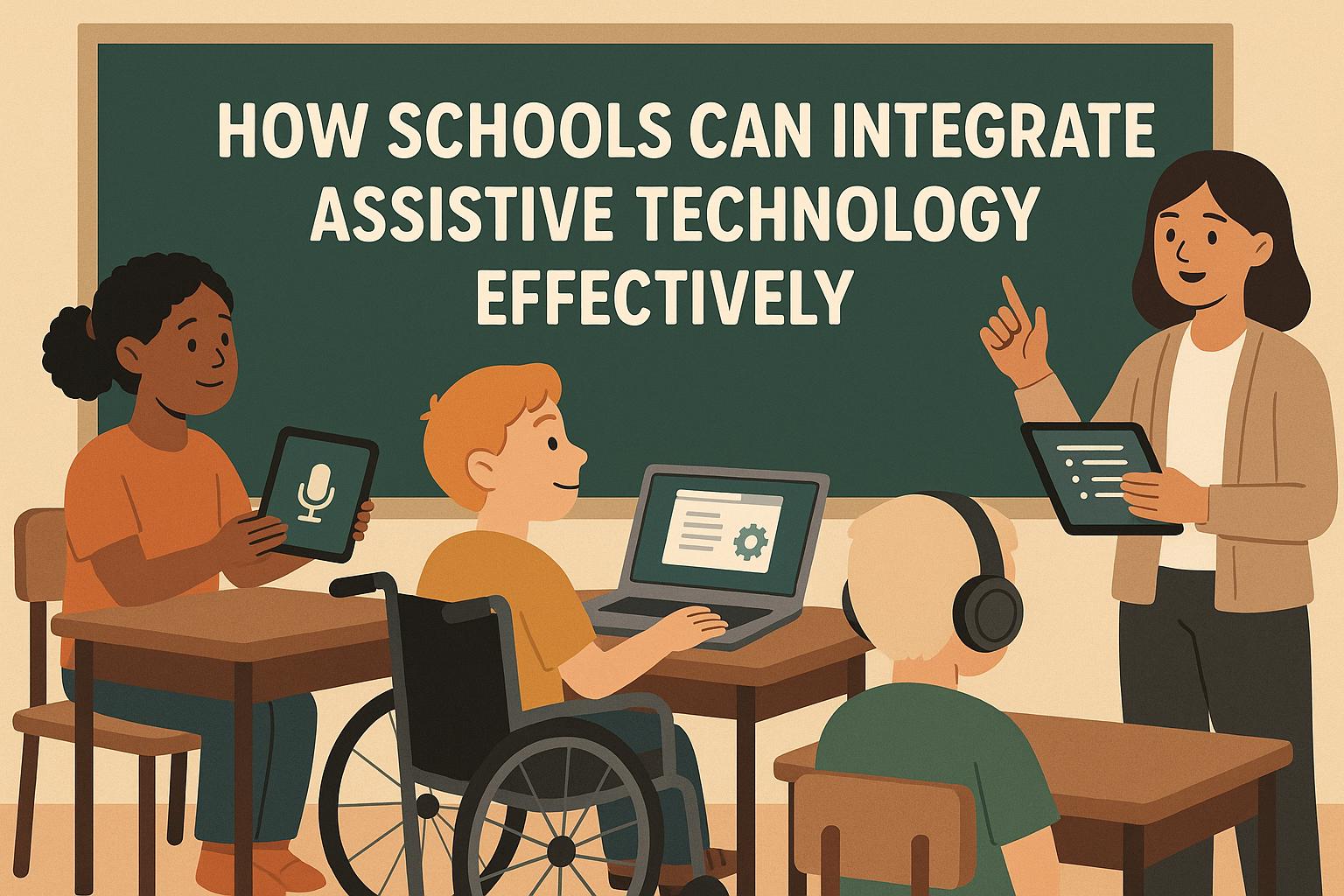
Understanding Assistive Technology in Education
Assistive technology refers to devices, software, or equipment that help individuals with disabilities perform tasks more effectively. In the educational context, these technologies are designed to support students’ learning, communication, and mobility. As schools strive to become more inclusive, integrating assistive technology effectively becomes essential.
The Importance of Assistive Technology
Assistive technology can dramatically enhance the educational experience for students with diverse needs. By providing tools that cater to individual learning styles and abilities, these technologies ensure that all students have equal access to education. This not only improves academic outcomes but also fosters inclusion and participation in the classroom.
Understanding the Various Types of Assistive Technology
There are several types of assistive technologies that can be successfully integrated into educational settings. Each category serves distinct purposes tailored to specific needs.
i. Communication Devices: These tools play a crucial role for students who face challenges with verbal communication. Devices including speech-generating devices or alternative communication boards can facilitate interaction and engagement. By enabling clearer communication, these devices empower students to express themselves fully and participate actively in classroom discussions.
ii. Learning Aids: These include specialized software and applications developed to address challenges in reading, writing, and organization. For students with learning disabilities, such tools offer personalized support, helping them overcome barriers in literacy and numeracy. For instance, text-to-speech software can assist students in grasping content, while organizational apps can aid in maintaining schedules and assignments.
iii. Mobility Tools: Mobility devices like wheelchairs, walkers, and specialized seating arrangements allow students with physical disabilities to navigate their environments with greater independence. By ensuring mobility, schools provide these students with the opportunity to engage more fully in educational activities and social interactions.
Strategies for Effective Integration of Assistive Technology
Integrating assistive technology in educational settings requires thoughtful strategies and practices. These not only encompass the implementation but also ongoing evaluation and support.
Professional Development: Training educators to use assistive technologies is paramount. This professional development should cover not only the technical aspects of the tools but also pedagogical strategies to integrate them effectively into classroom activities. Understanding the functionalities and limitations of different technologies enables educators to tailor their application to individual students’ needs.
Collaboration with Specialists: In schools, collaboration with special education professionals, including occupational therapists, speech therapists, and counselors, can offer valuable perspectives. These specialists can help identify appropriate technologies for students based on comprehensive assessments, ensuring more targeted and effective support.
Individual Education Plans (IEPs): The inclusion of assistive technology within Students’ IEPs ensures customized support tailored to their unique requirements. IEPs that incorporate technology plans may outline specific tools, the context in which they will be used, and desired outcomes, thereby promoting enhanced educational participation and success.
Evaluating Effectiveness of Assistive Technology
It is crucial to maintain a systematic approach to evaluating the success and efficiency of assistive technologies used within schools. An essential component of this process involves gathering feedback from various stakeholders, including students, parents, and educators. Feedback provides insights into the experiences and challenges faced, which can highlight areas for improvement or enhancement. This continuous assessment loop allows schools to make informed adjustments, ensuring that the technologies remain relevant and effective.
Students are primary users, so their perspectives can reveal how well the technology meets their needs. Meanwhile, parents can provide valuable observations from the home environment. Teachers, on the other hand, are pivotal in identifying how seamlessly a device or application integrates into the educational curriculum. Collectively, these insights form a holistic understanding of the technology’s impact.
Schools might employ various methods to gather this feedback, including surveys, interviews, and performance data analysis, to generate a comprehensive picture. Regular reviews of this nature aid in refining technology applications, discarding ineffective solutions, and investing in more promising alternatives.
In conclusion, although the integration process of assistive technology in schools involves significant commitment and adaptation, the resulting benefits can substantially enhance educational accessibility and inclusivity. Schools that proactively embrace these technologies are better positioned to accommodate a wide spectrum of learning needs, empowering all students to realize their full potential. The commitment to such initiatives demonstrates a forward-thinking approach that prioritizes student-centered learning and adaptability in a modern educational landscape.