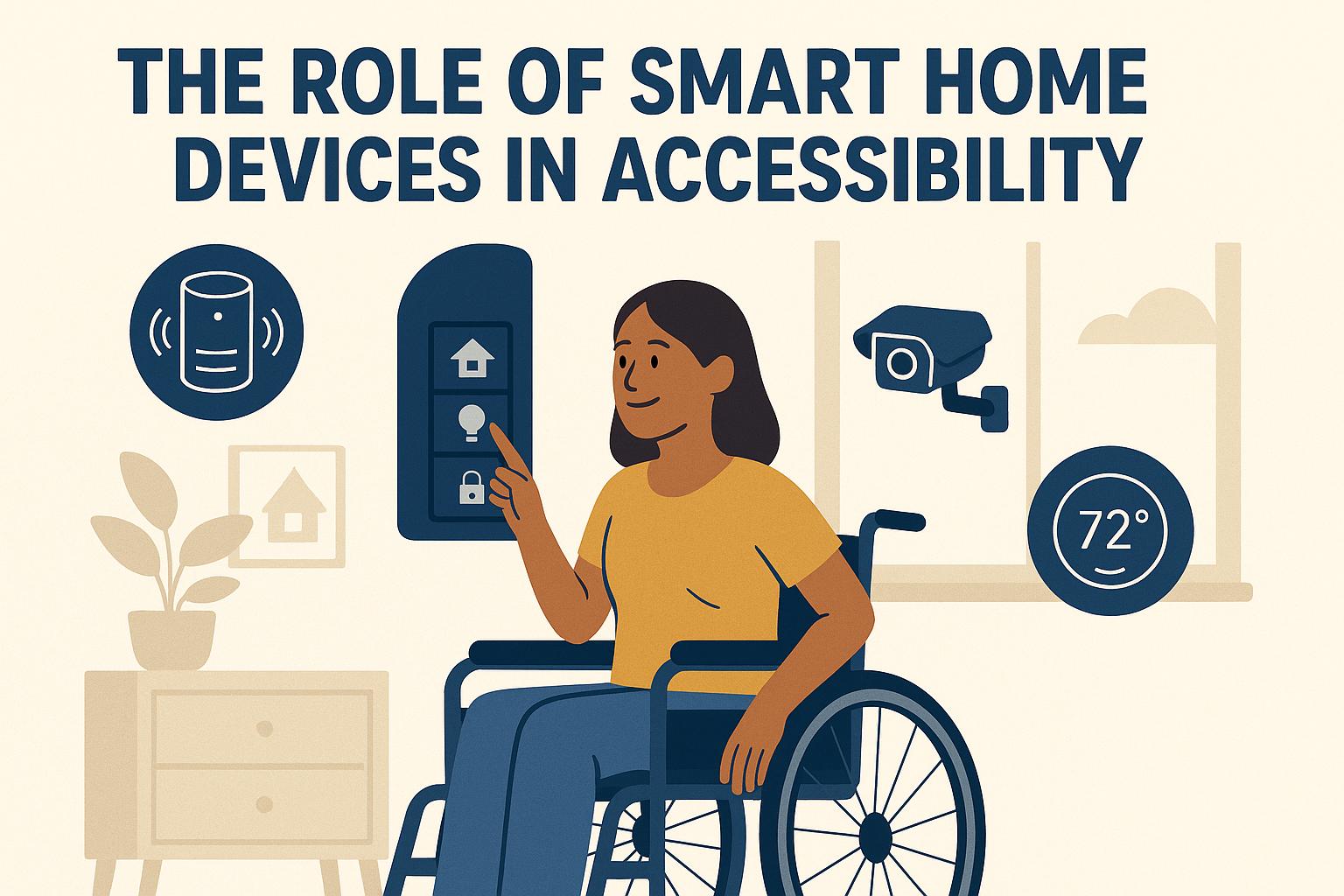
The Impact of Smart Home Devices on Accessibility
The integration of smart home devices has brought about a significant shift in how individuals with disabilities interact with their living spaces. These devices, designed to facilitate everyday activities, have become indispensable in fostering greater independence and convenience for users with varying accessibility needs. As technology continues to evolve, smart home devices increasingly serve as integral tools for enhancing the quality of life for individuals facing diverse physical and sensory challenges.
Voice-Activated Assistance
One of the most visible and beneficial aspects of smart home technology for accessibility is voice-activated assistance. Devices like Amazon Echo and Google Home allow users to control various aspects of their home environment through simple voice commands. This can include adjusting lighting, setting thermostats, or managing entertainment systems, tasks that can be challenging for individuals with limited mobility. Moreover, the ability to operate these devices without the need for physical interaction makes them particularly advantageous for individuals who may have difficulty using traditional interfaces such as switches and dials.
Voice-activated systems eliminate the need for physical manipulation of devices, which can be particularly challenging for those with limited dexterity or fine motor skills. By facilitating hands-free operation, voice-activated assistants empower users to manage their living environments independently. These systems can also be tailored to recognize different languages and dialects, improving inclusivity for a diverse user base.
Enhanced Control and Customization
Smart home devices offer heightened control and customization over home environments. Users can tailor device settings to meet specific needs, such as adjusting the sensitivity of motion detectors for lighting systems. This feature can be particularly beneficial for persons with visual impairments, enabling safer navigation within their homes. When movement is detected, strategically placed lights can illuminate pathways, reducing the risk of accidents and enhancing overall safety.
The ability to customize alerts and notifications is another critical feature, offering discreet cues for individuals with hearing impairments. For example, visual alerts can replace auditory cues, allowing users to receive important notifications or alerts through flashing lights or vibrations. This degree of personalization ensures that the technology serves the specific needs of the user, enhancing both usability and accessibility.
Remote Access and Monitoring
Many smart home devices enable remote access and monitoring, an essential feature for caregivers and individuals with disabilities. Through mobile apps and web interfaces, users can manage their home systems from afar. This capability ensures that even while away, individuals can still oversee the security of their homes and adjust settings as necessary. Remote monitoring can be crucial for those who need to ensure their living environment is safe and functioning correctly while they are not physically present.
Additionally, for caregivers or family members assisting individuals with disabilities, remote access provides a non-intrusive means of support. They can monitor safety alarms, adjust settings, or respond to alerts, contributing to the individual’s autonomy while ensuring added protection and oversight when necessary.
Integration with Assistive Technologies
Smart home devices often integrate seamlessly with existing assistive technologies. For instance, smartphone applications that control smart home devices can be compatible with screen readers, expanding their utility for users with visual impairments. Screen readers convert text to speech, allowing visually impaired users to interact with their smart devices effectively. This integration makes it easier for such individuals to manage their homes autonomously.
Additionally, wearable devices that support automation can sync with smart home systems, offering a cohesive and accessible experience for users with various disabilities. For example, smartwatches can use haptic feedback to alert users of changes in their home environment, ensuring they remain informed and engaged with their surroundings.
Improving Safety and Security
Safety and security enhancements are notable advantages of smart home devices. Automated door locks, doorbell cameras, and motion sensors provide an additional layer of security, crucial for individuals with mobility issues. These systems can be easily monitored and managed, offering peace of mind and enhancing the overall safety of living spaces.
For individuals who may have difficulty quickly accessing their doors, automated locking systems provide both convenience and security. Users can lock and unlock doors via their smartphones or through voice commands, reducing the need for physical keys. Furthermore, integrated security systems can immediately alert users to potential intrusions or emergencies, allowing for faster response times.
Challenges and Considerations
Despite their advantages, smart home devices pose certain challenges regarding accessibility. Initial setup and configuration may be complex, requiring technical knowledge or assistance. Installing smart devices can often involve complicated processes, such as connecting multiple devices to a network, which may be daunting for some users, particularly those with cognitive disabilities. It is important for manufacturers to provide intuitive instructions and robust customer support to address these barriers.
Furthermore, the affordability of these devices can be a barrier for some users. While smart technologies offer significant benefits, they can also represent a considerable financial investment. This may limit accessibility for individuals with limited financial resources. It is crucial for manufacturers and developers to prioritize inclusive design and affordability, potentially by offering more budget-friendly options, to ensure these technologies are accessible to all users.
In conclusion, smart home devices play a pivotal role in enhancing accessibility for individuals with disabilities. By providing increased control, seamless integration with existing technologies, and improving safety and convenience, these devices continue to transform the notion of independent living. However, ongoing efforts to address challenges such as usability and cost will be essential in ensuring that the benefits of smart home technology are universally accessible. With continuous developments and innovations in the field, the potential for smart home devices to improve quality of life for people with disabilities remains vast and promising.